
7 Day Dietitian Tested Reflux Diet Plan With Personalised Steps

Follow a low-fat, high-fibre, low-acid eating pattern built around small, regular meals, and cut the classic triggers: fried food, alcohol, caffeine, mint, citrus and carbonated drinks. Stop eating 1½ to 3 hours before bed and keep a food-and-symptom diary so you can spot your own patterns; for more advice, check out expert tips on how to relieve acid reflux at night. If symptoms persist despite these changes, or you notice weight loss, difficulty swallowing or anaemia, see your GP or a dietitian rather than pushing on alone.
TL;DR:
- Fibre-rich whole grains like oats and brown rice help slow digestion and reduce reflux symptoms, especially when combined with vegetable-rich diets.
- Avoid high-fat, fried foods, citrus, spicy dishes, mint, and fizzy drinks, as they are consistently linked to increased reflux risk.
- Tracking your food intake and symptoms over several weeks with elimination and reintroduction can identify individual trigger foods more accurately than broad restrictions.
- A personalized reflux diet plan should balance safe trigger foods with essential nutrients, especially when removing entire food groups like dairy or red meat.
- Most people see improvement within two to three weeks by reducing portion sizes, timing meals carefully, and avoiding common triggers rather than drastically cutting entire food groups.
Table of Contents
- Which foods should you eat on a reflux diet?
- What foods trigger acid reflux and how do you cut them out?
- What does a 7-day reflux-friendly meal plan look like?
- How do you personalise your reflux diet safely?
- Get a reflux diet plan built around your own triggers
- What I tell clients in clinic about reflux
- Sources
Which foods should you eat on a reflux diet?
Fibre is doing more work here than most people realise. Wholegrains like oats, brown rice and quinoa slow gastric emptying and help you feel full on less food, which matters because a stomach under pressure from a heavy meal is far more likely to push acid upward. A systematic review of dietary intake and reflux risk found that fibre and vegetable-rich eating patterns were consistently linked to fewer symptoms than low-fibre, high-fat diets.
Cooked vegetables tend to sit better than raw ones when reflux is active. Many people find raw salads and crunchy vegetables harder going during a flare, so starting with steamed carrots, courgettes or spinach and reintroducing raw veg once things settle is a sensible approach. Non-citrus fruits, particularly bananas and melon, are widely used in reflux-friendly diets recommended by Johns Hopkins Medicine because they’re gentle on the stomach lining and low in acid.

Lean protein and low-fat dairy round out the plate. Grilled chicken, white fish, tofu, and low-fat yoghurt or kefir provide protein without the fat load that slows digestion and relaxes the valve between your stomach and oesophagus. Small amounts of healthy fat, such as a drizzle of olive oil or a few slices of avocado, are usually fine and help with satiety, so a blanket “no fat” rule can leave you short on calories and nutrients if you’re not careful.
Simple building blocks that work well together:
- Breakfast: porridge oats with banana and a spoon of low-fat yoghurt
- Lunch: grilled chicken, brown rice and steamed green vegetables
- Snack: a handful of almonds or a small pot of kefir
- Dinner: baked white fish, quinoa and roasted (not fried) courgette
Pro Tip: Swap fried breakfast items for oats or wholegrain toast with a thin spread of nut butter. It’s one of the easiest changes that actually moves the needle on morning symptoms.
What foods trigger acid reflux and how do you cut them out?
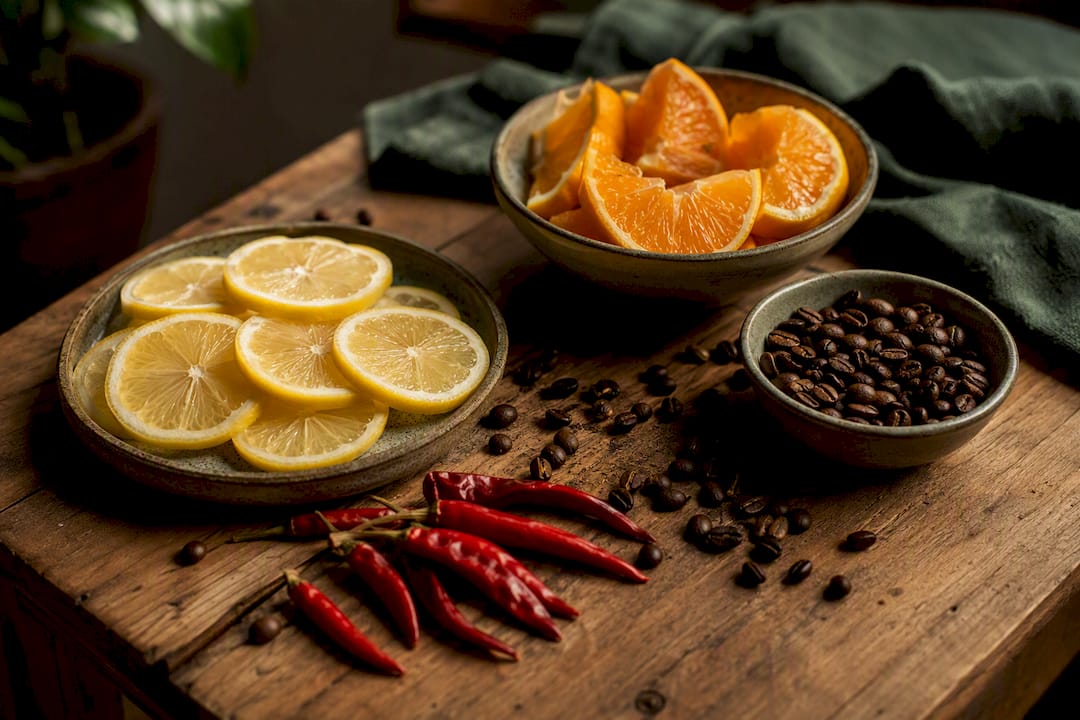
Certain foods show up again and again in reflux research and clinic notes. High-fat and fried food, chocolate, caffeine, alcohol, mint, spicy dishes, citrus fruit, tomatoes and carbonated drinks are the most consistently reported triggers, and the same systematic review linking diet to reflux risk found a clear association between high-fat diets, fizzy drinks and citrus intake and a higher likelihood of symptoms.
Behaviour around food matters almost as much as the food itself. The NIDDK’s dietary guidance for GERD recommends smaller, more frequent meals rather than three large ones, avoiding lying down straight after eating, and steering clear of vigorous exercise on a full stomach.
To work out what’s actually causing your symptoms, try eliminating and reintroducing foods one at a time rather than cutting everything at once:
- Remove one suspected trigger for two to four weeks and log symptoms daily.
- Reintroduce it on its own for a few days and note any change.
- Move to the next suspected food only once you’ve got a clear result.
- Keep protein, fibre and healthy fat intake steady throughout so the trial doesn’t leave you nutritionally short.
This slower approach takes longer than cutting out everything overnight, but it tells you which specific foods are the actual problem, rather than leaving you on an unnecessarily restrictive diet that’s harder to sustain and doesn’t answer the question.
What does a 7-day reflux-friendly meal plan look like?
A structured week gives you a starting template, not a script you have to follow exactly. Dietitian-built plans, including the 7-day GERD meal plan from EatingWell, usually specify calorie, protein, and fibre targets that can be adjusted depending on your size, activity level and goals.
| Day | Breakfast | Lunch | Dinner | Snacks |
|---|---|---|---|---|
| Monday | Porridge with banana | Grilled chicken, brown rice, steamed broccoli | Baked cod, quinoa, roasted courgette | Low-fat yoghurt, handful of almonds |
| Tuesday | Wholegrain toast, scrambled egg | Turkey and vegetable wrap (wholemeal) | Tofu stir-fry with green vegetables | Kefir, oat cakes |
| Wednesday | Oat and melon smoothie | Lentil soup, wholegrain roll | Grilled chicken, sweet potato, spinach | Rice cakes with cottage cheese |
| Thursday | Low-fat yoghurt with oats and berries | Brown rice bowl with white fish | Vegetable and chicken stir-fry | Banana, handful of almonds |
| Friday | Wholegrain cereal, skimmed milk | Grilled salmon, couscous, courgette | Turkey meatballs, brown pasta, spinach | Kefir, melon slices |
| Saturday | Poached eggs, wholegrain toast | Quinoa salad with grilled chicken | Baked white fish, roasted vegetables | Oat cakes, low-fat cheese |
| Sunday | Oat porridge, banana | Roast chicken (skin removed), root vegetables | Vegetable and tofu curry (mild, no chilli) | Yoghurt, almonds |
For vegan or dairy-free versions, swap yoghurt and kefir for coconut or soya alternatives fortified with calcium, and replace chicken or fish with tofu, tempeh or lentils. Shop for the week in one go: oats, brown rice, quinoa, wholegrain bread, a mix of lean proteins, low-fat dairy or its alternatives, and a rotating stock of bananas, melon and green vegetables covers most of the plan. Batch-cooking grains and proteins at the start of the week cuts down on last-minute decisions that tend to default to whatever’s fastest, which isn’t always what’s best for your symptoms.
How do you personalise your reflux diet safely?
A generic plan gets you most of the way there, but your own triggers are the detail that actually matters long term. Keep a simple diary logging what you ate, when, and any symptoms within a few hours, and run each elimination trial for two to four weeks before drawing conclusions, since shorter trials often produce false negatives or positives.
- Track meals and symptoms daily using a notebook or an app, whichever you’ll actually keep up.
- Trial one suspected trigger at a time rather than several together.
- Watch specifically for patterns tied to meal size, timing and stress, not just food type.
- Protect protein, iron and calcium intake if you’re removing whole food groups like dairy or red meat.
- Book a GP or dietitian review if symptoms don’t ease after a few weeks of consistent changes.
Persistent symptoms, unexplained weight loss, difficulty swallowing or signs of anaemia are not things to self-manage through diet alone. Occasionally, what looks like reflux is actually a food intolerance or allergy, something clinical guidance from Children’s Hospital of Philadelphia flags as worth investigating if elimination trials aren’t giving clear answers. Diet is one part of a wider strategy that can include medication, and it’s rarely the whole solution on its own for people with frequent or severe symptoms.
Get a reflux diet plan built around your own triggers
A 7-day template is a solid starting point, but your triggers, your schedule and your nutrient gaps are yours alone, and a generic plan can only take you so far before it needs adjusting. Foodconnection runs programme-based nutrition support rather than a single one-off consultation, which means Irina and the team stay with you through the elimination trials, the reintroductions and the inevitable troubleshooting when a “safe” food suddenly isn’t.
A typical programme includes a personalised elimination plan mapped to your actual symptom diary, nutrient safeguarding so cutting dairy or fat doesn’t leave you short on calcium or energy, and a structured reintroduction phase once your gut has settled. Where reflux overlaps with excess weight, Foodconnection’s weight loss support programmes combine both goals rather than treating them separately. For anyone whose reflux sits alongside bloating or irregular bowel habits, it’s worth reading how Foodconnection approaches the low FODMAP diet for IBS, since the two conditions often need coordinated management rather than two competing diets. You can also look at one-to-one nutrition services and optional lab testing to see what a full programme includes before you commit. If your symptoms have outlasted a few weeks of DIY changes, get in touch with Foodconnection to book an initial consultation and start a plan built around what your body is actually telling you.
What I tell clients in clinic about reflux
Cut portion size before you cut whole food groups. Most people see real symptom change within two to three weeks once meal timing and trigger foods are addressed together, not one at a time.
— Irina
This article is general information, not a substitute for advice from a qualified doctor. Consult a qualified healthcare professional about your own circumstances before acting on anything here.
Sources
- Dietary intake in relation to the risk of reflux disease: a systematic review
- GERD Diet: Foods That Help with Acid Reflux (Heartburn) — Johns Hopkins Medicine
- Eating, diet, & nutrition for GER & GERD — NIDDK