
Prenatal nutrition: a practical UK checklist

Start today with two actions: take a folic acid supplement (400 µg daily if you are trying to conceive or in the first 12 weeks of pregnancy) and take vitamin D (10 µg daily throughout pregnancy and breastfeeding). Build every meal around the NHS Eatwell Guide proportions — roughly a third of your plate as starchy carbohydrates, a third as fruit and vegetables (at least five portions daily), and the remainder split between protein, dairy or fortified alternatives, and small amounts of unsaturated fat. That is the foundation of sound prenatal nutrition, and everything else in this article builds on it.
Three things to do today:
- Check whether you are taking folic acid at the right dose and have started it at the right time (ideally before conception).
- Begin or continue vitamin D at 10 µg daily.
- At your next meal, use the Eatwell plate proportions as a rough guide rather than counting calories.
If you are on a low income or under 18, check your eligibility for the Healthy Start scheme, which provides vouchers for milk, fruit and vegetables plus free vitamins. Contact your midwife or GP if you have a pre-existing condition, are experiencing severe nausea, or have concerns about your weight or fetal growth — these situations need personalised clinical input, not just general guidance.
Table of Contents
- Key nutrients in pregnancy: what they do and where to find them
- What supplements does the NHS actually recommend?
- Food safety in pregnancy: what to avoid and how to handle food safely
- Vegetarian and vegan pregnancy nutrition: what needs extra attention
- When should you seek personalised nutritional support?
- Key takeaways
- A note from Foodconnection on personalised prenatal support
- Personalised prenatal nutrition programmes with Foodconnection
- Useful sources for further reading
Key nutrients in pregnancy: what they do and where to find them
Research published in PMC confirms that beneficial dietary patterns before and during pregnancy are associated with reduced risk of pregnancy disorders. The nutrients below are the ones most likely to need active attention.
Folate and folic acid are the same vitamin in different forms. Folate occurs naturally in dark leafy greens, fortified cereals and legumes; folic acid is the synthetic form used in supplements. The NHS recommends 400 µg of folic acid daily before conception and through the first 12 weeks of pregnancy to reduce the risk of neural tube defects. Food sources alone rarely provide enough at this critical window, which is why the supplement is non-negotiable.
Iron needs increase significantly during pregnancy because your blood volume expands. Low ferritin (stored iron) is common and often goes undetected until fatigue becomes severe. Red meat, fortified breakfast cereals, lentils, and dark leafy greens are the main dietary sources. Eating vitamin C alongside plant-based iron (a squeeze of lemon on lentils, orange juice with fortified cereal) improves absorption considerably. Your midwife should check your haemoglobin at booking and again around 28 weeks; if levels are borderline, ask about ferritin too.
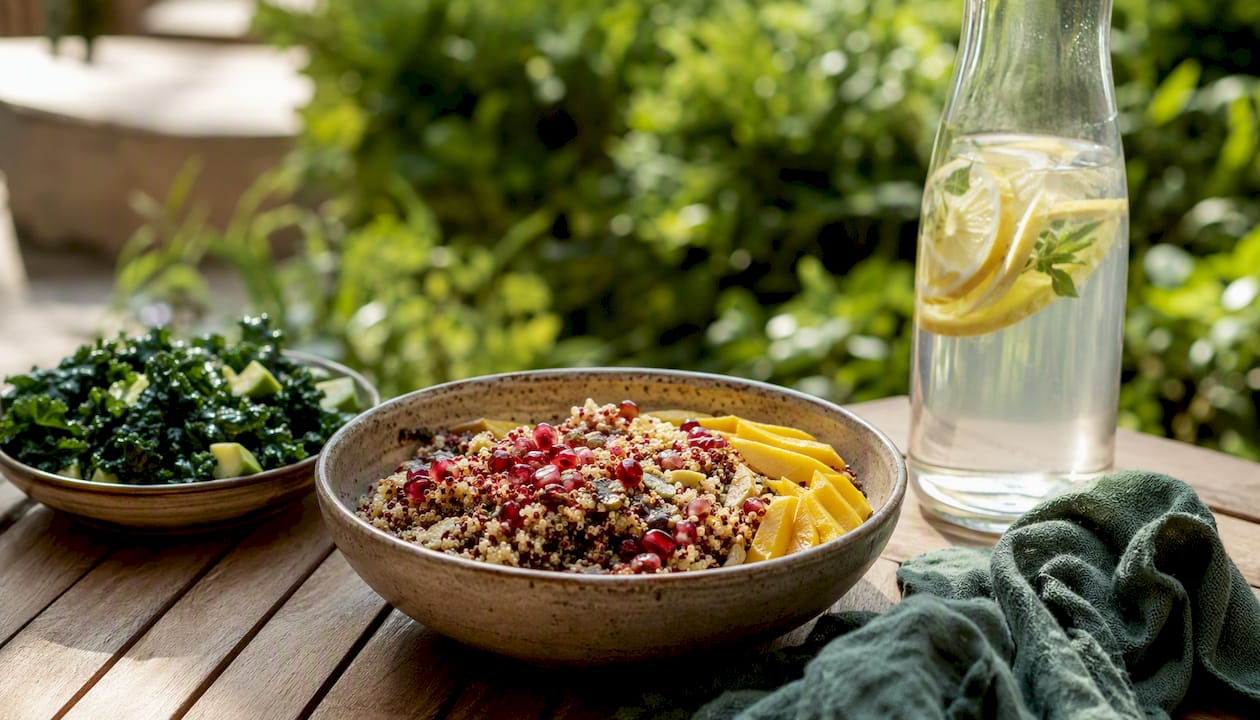
Vitamin D is produced by skin exposed to sunlight, but UK sunlight between October and March is too weak to trigger synthesis at any useful level. The NHS advises 10 µg (400 IU) daily throughout pregnancy and breastfeeding for everyone, regardless of diet or sun exposure. Few foods provide meaningful amounts — oily fish, egg yolks and fortified foods contribute, but not enough to replace a supplement.
Calcium supports fetal bone development and protects your own bone density. Dairy products are the most concentrated source, but calcium-fortified plant milks, tofu set with calcium sulphate, tinned fish with soft bones (sardines, salmon), and almonds all contribute. If you avoid dairy entirely, a fortified alternative is not optional.
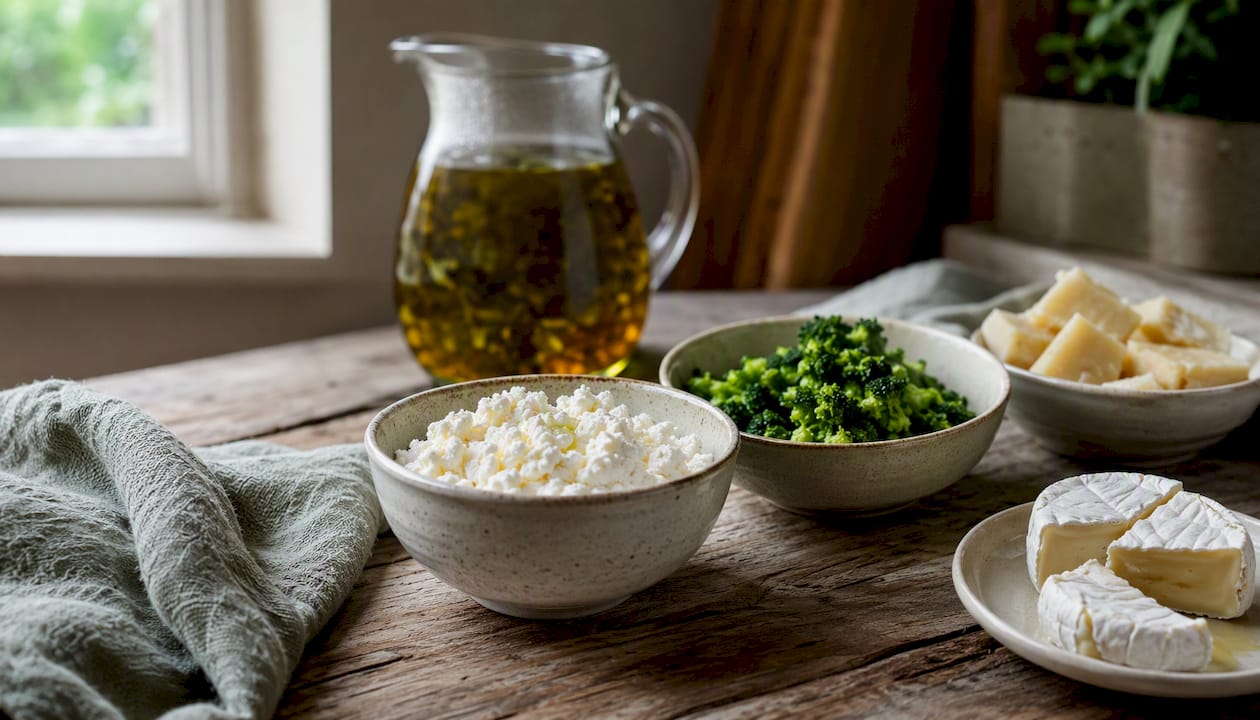
Iodine is critical for fetal brain development and thyroid function. Dairy and white fish are the main UK dietary sources; plant milks are generally not fortified with iodine unless the label states otherwise. Vegans and those avoiding dairy are at particular risk of insufficiency.
Protein requirements rise across pregnancy, particularly in the second and third trimesters. Eggs, meat, fish, dairy, legumes and soya products all count. Variety across the week matters more than hitting a precise daily gram target.
Omega-3 fatty acids (DHA) support fetal brain and eye development. Oily fish is the richest source. For those who avoid fish, algae-based DHA supplements are the most direct alternative; flaxseed and walnuts provide ALA, which the body converts to DHA only inefficiently.
Vitamin B12 is found almost exclusively in animal products. Vegans need a reliable supplement or consistent intake of B12-fortified foods (nutritional yeast, fortified plant milks, fortified cereals).
| Nutrient | UK guidance / typical intake target | Top food sources | When to consider testing or supplementing |
|---|---|---|---|
| Folic acid | 400 µg/day supplement (preconception to 12 weeks) | Leafy greens, fortified cereals, lentils | Always supplement; higher dose if high-risk (see below) |
| Iron | Increased need; midwife checks haemoglobin | Red meat, lentils, fortified cereals, spinach | If fatigue is severe or haemoglobin is borderline |
| Vitamin D | 10 µg (400 IU) daily supplement | Oily fish, egg yolks, fortified foods | Supplement universally in UK; test if deficiency suspected |
| Calcium | — | Dairy, fortified plant milk, tinned fish with bones | Supplement if dairy-free and fortified foods are insufficient |
| Iodine | ~200 µg/day | Dairy, white fish, eggs | Vegans and dairy-avoiders should discuss with GP |
| Omega-3 / DHA | Via oily fish or algae supplement | Salmon, mackerel, sardines; algae oil | Supplement if fish intake is low or absent |
| Vitamin B12 | Reliable daily source needed | Meat, fish, dairy, eggs; fortified foods | Vegans must supplement; test if symptomatic |
Food sources at a glance:
- Leafy greens (spinach, kale, watercress) for folate, calcium and iron
- Oily fish (salmon, sardines, mackerel) for DHA, vitamin D and iodine
- Eggs for protein, B12, vitamin D and choline
- Lentils and beans for iron, folate and protein
- Dairy or fortified plant milk for calcium and iodine
- Fortified breakfast cereals for iron, folic acid and B12
If you have a previous pregnancy affected by a neural tube defect, are taking certain anti-epileptic medications, or have a BMI over 30, your GP should prescribe a higher dose of folic acid (5 mg daily) rather than the standard over-the-counter 400 µg. This is a clinical decision, not a supplement-shop one.
What supplements does the NHS actually recommend?
The NHS baseline is straightforward: folic acid and vitamin D. Everything else depends on your diet and individual circumstances.
NHS-recommended supplements:
- Folic acid 400 µg daily: start before conception if possible; continue through the first 12 weeks of pregnancy.
- Vitamin D 10 µg (400 IU) daily: throughout pregnancy and breastfeeding.
- Routine pregnancy multivitamins can be a convenient way to cover both, but check the label — some contain vitamin A as retinol, which is harmful in excess during pregnancy.
Who qualifies for Healthy Start vitamins:
The Healthy Start scheme provides free vitamins (containing folic acid, vitamin C and vitamin D) to eligible pregnant women and new mothers. Eligibility is based on income and age — if you receive certain benefits or are under 18, you are likely to qualify. Ask your midwife or health visitor, or check via the NHS website.
Who needs a higher dose or specialist supplement:
- Previous pregnancy affected by a neural tube defect: 5 mg folic acid daily (prescription only).
- Taking anti-epileptic drugs, methotrexate, or certain other medications: discuss with your GP before conception.
- Multiple pregnancy: your midwife may recommend additional iron or other nutrients.
- Confirmed vitamin D deficiency: your GP may prescribe a higher therapeutic dose.
Avoid supplements containing high-dose vitamin A (retinol). Excess retinol is teratogenic — it can cause fetal abnormalities. Check any supplement label before taking it in pregnancy, and avoid liver and liver products for the same reason. Unverified herbal preparations carry similar risks; if a supplement is not specifically formulated for pregnancy, check with your pharmacist or midwife first.
Food safety in pregnancy: what to avoid and how to handle food safely
The core rule is simple: avoid foods that carry a meaningful risk of listeria, salmonella, toxoplasma or high mercury, and handle all food with basic hygiene. Most food poisoning is unpleasant for anyone; in pregnancy, certain infections can cause miscarriage, premature birth or serious illness in the baby.
Foods to avoid entirely:
- Raw or undercooked meat, poultry and shellfish
- Raw or partially cooked eggs (unless they carry the British Lion mark, which certifies salmonella vaccination)
- Unpasteurised milk and cheeses made from unpasteurised milk
- Mould-ripened soft cheeses (Brie, Camembert, Chèvre) and blue-veined cheeses (Stilton, Roquefort)
- Liver and liver products (pâté, haggis) — high in retinol
- Shark, swordfish and marlin — high mercury content
- Raw cured meats (salami, prosciutto) unless cooked through or frozen for four days first
- Unpasteurised fruit juices
Fish guidance (NHS):
The NHS advises eating two portions of fish per week, one of which should be oily fish (salmon, sardines, mackerel, trout). Limit oily fish to two portions per week because of environmental pollutants. Avoid shark, swordfish and marlin entirely due to mercury. Tuna counts as oily fish for this purpose; limit it to four medium-sized tins or two fresh steaks per week.
Practical food-safety checklist:
- Store raw meat on the bottom shelf of the fridge, away from ready-to-eat foods.
- Check use-by dates on deli meats, smoked fish and soft cheeses — do not rely on smell alone.
- Reheat deli meats and smoked salmon until steaming before eating.
- Wash all fruit, vegetables and salad leaves thoroughly, even pre-washed bags.
- Keep the fridge at or below 5°C.
- Do not eat ready meals that have not been reheated to the correct temperature throughout.
- Avoid buffet food that has been sitting at room temperature for more than two hours.
Pro Tip: Carry a small card in your purse or save a note on your phone listing the key foods to avoid. When eating out, it is much easier to check quickly than to try to remember the full list mid-menu.
Vegetarian and vegan pregnancy nutrition: what needs extra attention
A vegetarian or vegan diet can be entirely safe in pregnancy, but it requires deliberate planning around a handful of nutrients that are concentrated in animal products. Evidence from the Academy of Nutrition and Dietetics confirms that plant-based diets are compatible with pregnancy when key nutrients are monitored and fortified foods or supplements are used appropriately.
Nutrients that need active attention:
- Vitamin B12: found almost exclusively in animal products. Vegans must supplement daily or eat B12-fortified foods (nutritional yeast, fortified plant milks, fortified cereals) consistently and in sufficient quantity.
- Iron: plant-based iron (non-haem) is less readily absorbed than haem iron from meat. Pair iron-rich plant foods with vitamin C at every meal. Request a ferritin test from your GP if you feel persistently fatigued.
- Iodine: most plant milks are not iodine-fortified. Vegans should look for a supplement containing iodine or a pregnancy multivitamin that includes it.
- DHA/omega-3: algae-based DHA supplements are the direct, fish-free source. Flaxseed, chia and walnuts provide ALA but conversion to DHA is limited.
- Calcium: calcium-fortified plant milks, tofu set with calcium sulphate, almonds, tahini, and tinned fish with soft bones (for vegetarians) all contribute. Aim for at least two to three servings of fortified foods daily.
- Protein: soya, tempeh, edamame, lentils, chickpeas, quinoa and hemp seeds are complete or near-complete protein sources. Variety across the day covers amino acid needs.
Practical swaps:
- Replace cow’s milk with calcium-fortified oat or soya milk (check the label for both calcium and B12 fortification).
- Use nutritional yeast in cooking for B12 and a savoury flavour.
- Swap meat in stews and curries for lentils, chickpeas or tofu — the iron and protein content is comparable when portions are generous.
- Choose a pregnancy-specific supplement that includes B12, iodine and DHA alongside folic acid and vitamin D.
Pro Tip: Ask your GP or midwife to check your B12, ferritin and vitamin D levels at your booking appointment if you follow a vegan diet. These tests are not always offered routinely, but they are straightforward to request and give you a clear baseline to work from.
When should you seek personalised nutritional support?
NHS guidance covers the baseline well, but it is not designed for complexity. Several situations genuinely warrant personalised input beyond what a leaflet or website can provide.
Seek personalised nutritional support if you have:
- Severe nausea or hyperemesis gravidarum: — when vomiting is persistent and severe, maintaining adequate nutrition requires a structured, symptom-led approach that goes beyond “eat dry toast.”
- Complex dietary restrictions: a personalised nutrition plan built around your specific restrictions (multiple allergies, lactose intolerance, religious dietary requirements) is far more useful than adapting generic advice.
What personalised support looks like in practice:
A structured programme typically includes an initial in-depth assessment of your diet, health history and symptoms; a tailored meal plan adjusted for your trimester and specific needs; functional laboratory tests (ferritin, vitamin D, thyroid function, blood glucose) with professional interpretation; and ongoing coaching as your pregnancy progresses. The difference between a one-off consultation and a programme is continuity — your plan adapts as your pregnancy changes.
When to contact your GP or midwife versus a nutritionist:
Contact your GP or midwife for: abnormal blood test results, suspected gestational diabetes, severe vomiting, concerns about fetal growth, or any symptom that feels medically urgent. A registered nutritionist or nutrition therapist is the right next step for: building a practical meal plan around your restrictions, interpreting functional test results in the context of your diet, managing symptoms through food choices, or getting ongoing support when NHS appointments are brief.
Pro Tip: If you are considering paying for a nutritionist, look for someone registered with the Association for Nutrition (AfN) or the British Association for Nutrition and Lifestyle Medicine (BANT). Registration means they are accountable to a professional body and hold recognised qualifications.
Key takeaways
A sound pregnancy diet rests on three pillars: an Eatwell-style balanced diet, the two NHS-recommended supplements (folic acid and vitamin D), and clear avoidance of the foods and drinks that carry genuine risk.
| Point | Details |
|---|---|
| Start supplements early | Take folic acid 400 µg daily before conception and through week 12; take vitamin D 10 µg throughout pregnancy. |
| Build plates on the Eatwell Guide | Fill one third with starchy carbs (wholegrain), one third with fruit and veg, and the rest with protein and dairy or fortified alternatives. |
| Know what to avoid | Skip raw/undercooked meat and eggs, unpasteurised dairy, mould-ripened soft cheeses, liver, and high-mercury fish (shark, swordfish, marlin). |
| Don’t eat for two | Extra calorie needs are modest in later pregnancy; focus on nutrient quality over quantity. |
| Foodconnection for complex needs | When NHS guidance is not enough — gestational diabetes, severe nausea, vegan diet, or pre-existing conditions — a personalised programme with lab analysis offers structured, ongoing support. |
A note from Foodconnection on personalised prenatal support
General public-health guidance is a genuinely strong foundation, and the NHS does an excellent job of setting the baseline. Where it falls short is in the gap between “eat a balanced diet” and the reality of managing pregnancy alongside gestational diabetes, persistent nausea, a vegan diet, or a thyroid condition. Those situations need more than a leaflet.
At Foodconnection, prenatal support means building a meal plan around your actual food preferences, intolerances and trimester, interpreting functional lab results in the context of your diet and symptoms, and adjusting the plan as your pregnancy progresses. It is the kind of ongoing, responsive support that a single GP appointment cannot provide. Details of the full programme are on the services page.
Personalised prenatal nutrition programmes with Foodconnection
Pregnancy nutrition is not one-size-fits-all, and the gap between generic advice and what you actually need can be significant. Foodconnection offers one-to-one prenatal nutrition programmes that combine tailored meal planning, functional laboratory testing with full interpretation, and ongoing coaching across your pregnancy.
What a Foodconnection programme includes:
- A detailed initial assessment covering your diet, health history, symptoms and trimester
- A personalised meal plan adapted to your restrictions, preferences and pregnancy stage
- Functional lab tests (ferritin, vitamin D, thyroid markers, blood glucose) with professional interpretation
- Ongoing support as your needs change through each trimester
This is particularly suited to women managing gestational diabetes, hyperemesis, complex dietary restrictions, or pre-existing conditions where generic guidance leaves too many gaps. To find out more or book an initial consultation, visit foodconnection.life.
Useful sources for further reading
The sources below are the primary references used throughout this article. Each is authoritative within its field and freely accessible.
| Source | Why it is authoritative |
|---|---|
| NHS: Have a healthy diet in pregnancy | The UK’s primary public-health authority; sets the baseline for folic acid, vitamin D, Eatwell Guide and food safety in pregnancy. |
| PMC: The importance of nutrition in pregnancy and lactation | Peer-reviewed systematic overview linking dietary patterns to pregnancy outcomes; published in the US National Library of Medicine. |
| Mayo Clinic: Pregnancy diet — essential nutrients | Detailed, clinician-reviewed nutrient-by-nutrient guidance covering folate, iron, calcium, vitamin D and protein. |
| Johns Hopkins Medicine: Nutrition during pregnancy | Academic medical centre guidance on calorie needs, weight gain and symptom management. |
| NIDDK: Health tips for pregnant women | US National Institute of Diabetes and Digestive and Kidney Diseases; practical guidance on caffeine limits, fibre, nausea and hydration. |
| EatRight (Academy of Nutrition and Dietetics): Pregnancy | The US professional body for registered dietitians; evidence-based guidance on vegetarian and vegan pregnancy nutrition. |
| Foodconnection: Nutrition services | Details of personalised prenatal nutrition programmes, lab analysis and one-to-one coaching available in the UK. |
Recommended
- Personalised nutrition plan: your complete UK guide | FoodConnection blog
- Prediabetes diet: managing blood sugar with complex health needs | FoodConnection blog
- How to Choose the Right Nutritionist in London (And Avoid Costly Mistakes) | FoodConnection blog
- Nutrition services — one-to-one support, lab analysis, yoga | FoodConnection