
The most effective PMDD diet stabilises blood sugar first

Three dietary levers do most of the work in reducing PMDD symptom severity: stabilising blood sugar, lowering inflammation, and supplying the nutrients your brain needs to regulate mood during the luteal phase. Start today with regular protein-rich meals every 3 to 4 hours, oily fish or an omega-3 supplement, and cutting back on refined sugar and excess caffeine.
- Eat balanced meals on a consistent schedule, don’t skip meals during the luteal phase
- Add omega-3-rich foods (salmon, mackerel, walnuts, flaxseed) most days
- Cut obvious triggers: sugary snacks, more than 2 cups of coffee, and alcohol in the two weeks before your period
Quick note: if you experience suicidal thoughts, self-harm urges, or your mood symptoms stop you functioning at work or home, diet alone won’t be enough. Speak to your GP promptly.
Key Takeaways
Stabilising blood sugar through regular, balanced meals is the single most consistent dietary lever for reducing PMDD symptom severity.
| Point | Details |
|---|---|
| Eat on a schedule | Have a protein, fibre, and healthy fat combination every 3 to 4 hours during the luteal phase. |
| Cut obvious triggers | Reduce refined sugar, excess caffeine, alcohol, and high-sodium processed foods before your period. |
| Consider evidence-backed supplements | Discuss calcium, magnesium, omega-3, or vitamin B6 with your GP before starting any of them. |
| Support gut and micronutrient health | Add fermented foods and fibre, and check vitamin D and iron levels rather than guessing. |
| Get personalised guidance when needed | Foodconnection builds a tailored PMDD nutrition plan with optional lab testing and ongoing support. |
This article is general information, not a substitute for advice from a qualified doctor. Consult a qualified healthcare professional about your own circumstances before acting on anything here.
Table of Contents
- Foundational diet principles for managing PMDD symptoms
- Foods and drinks to limit during the luteal phase
- Supplements with evidence for PMDD symptoms
- Meal timing and snack strategies to stop luteal crashes
- A sample day of PMDD-friendly meals
- Sleep, exercise and hydration alongside diet
- When diet isn’t enough: red flags and getting help
- How personalised nutrition support helps with PMDD
- Gut health and probiotics in PMDD management
- Vitamin D and other overlooked micronutrients
- Can diet actually influence PMDD hormone regulation?
- Diet, supplements, and your PMDD medication
- Sources
Foundational diet principles for managing PMDD symptoms
Blood sugar swings and PMDD mood symptoms feed each other. When blood glucose spikes then crashes, your body releases cortisol and adrenaline to compensate, which amplifies irritability, anxiety, and fatigue right when you’re already vulnerable. Keeping glucose steady reduces that physiological noise, and it also lowers the inflammatory signalling that’s increasingly linked to PMDD’s mood component.
The simplest way to do this is a meal template you can use for breakfast, lunch, and dinner without overthinking it: protein, plus a complex carbohydrate or fibre source, plus a healthy fat.
- Omnivore: grilled chicken, brown rice, roasted vegetables, olive oil drizzle
- Vegetarian: scrambled eggs, wholegrain toast, avocado, spinach
- Vegan: lentils or tofu, quinoa, mixed greens, tahini dressing
This structure works because protein and fat slow digestion, which flattens the glucose curve after eating. Mind’s self-care guidance for PMDD specifically recommends eating regularly and keeping blood sugar stable as a core self-care step, not an optional extra.
Pro Tip: Batch-cook a grain and a protein source at the start of each week. On low-energy luteal days, you’ll assemble a balanced plate in five minutes instead of reaching for whatever’s fastest.
Foods and drinks to limit during the luteal phase
Refined sugar causes the same rapid glucose spike-and-crash pattern that worsens irritability and low mood, and it does so faster than most people expect, often within 30 to 45 minutes of eating. Caffeine and alcohol both interfere with sleep quality and can heighten anxiety symptoms specifically in the days before your period, when your nervous system is already more reactive. High-sodium processed foods worsen bloating and breast tenderness, two of the physical symptoms that make emotional symptoms harder to tolerate.
NHS guidance on premenstrual syndrome recommends reducing sugar, caffeine, and alcohol as part of managing premenstrual disorders, alongside increasing protein and complex carbohydrates.
Practical swaps that actually get used:
- Swap crisps for a handful of unsalted nuts or wholegrain crackers with hummus
- Swap a second coffee for green tea or decaf, which still gives you a small caffeine dose
- Swap wine for sparkling water with fresh lime if you want a ritual without the alcohol
Supplements with evidence for PMDD symptoms
Four supplements come up repeatedly in PMDD research, though the evidence strength varies considerably between them. Calcium has the most consistent trial support, with some studies reporting symptom score reductions of 40 to 48% compared with placebo, likely because calcium plays a role in neurotransmitter regulation across the menstrual cycle. Omega-3 supplementation has shown benefit for depressive and physical symptoms in some clinical trials, though sample sizes tend to be small.
Magnesium and vitamin B6 are widely recommended as adjuncts, but Healthline’s overview of PMDD treatment notes the evidence base for these two is more mixed than for calcium.
Typical ranges used in trials:
- Calcium: around 1,000–1,200mg daily, often split across meals
- Magnesium: 200–360mg daily, commonly as magnesium glycinate
- Omega-3: 1–2g combined EPA/DHA daily
- Vitamin B6: doses vary widely in trials; high, unsupervised doses carry a risk of nerve damage
Don’t start any of these without a conversation with your GP first, especially if you’re pregnant, breastfeeding, or already taking hormonal medication or antidepressants. Dosing interactions matter more than most supplement marketing lets on.
Meal timing and snack strategies to stop luteal crashes
Eating every 3 to 4 hours during the luteal phase prevents the glucose dips that trigger sudden irritability or a crying spell that feels disproportionate to whatever just happened. This isn’t about eating more, it’s about eating on a schedule that matches how your body processes glucose differently in this phase.
- Mid-morning: Greek yoghurt with berries and a tablespoon of chia seeds
- Mid-afternoon: apple slices with almond butter, or oatcakes with cottage cheese
- Evening, when cravings peak: a small bowl of roasted chickpeas or dark chocolate (70%+) with a handful of walnuts, rather than a full packet of biscuits
The goal with evening snacking isn’t restriction. It’s giving your body something that satisfies the craving for sweetness or crunch while still including protein or fibre, so you don’t end up in a full glucose spike two hours before bed.
A sample day of PMDD-friendly meals
Here’s what one full day looks like when you apply the meal template consistently rather than just in theory.
- Breakfast: two eggs, wholegrain toast, half an avocado (vegan swap: tofu scramble with the same sides)
- Mid-morning snack: small handful of walnuts and an orange
- Lunch: grilled salmon, quinoa, steamed broccoli, olive oil (vegetarian/vegan swap: lentils or tempeh instead of salmon)
- Afternoon snack: carrot sticks with hummus
- Dinner: stir-fried tofu or chicken with brown rice and mixed vegetables in a ginger-garlic sauce
- Evening, if needed: herbal tea with a square or two of dark chocolate
Shop for the week’s proteins and grains in one trip, and roast a large tray of mixed vegetables on a Sunday so you’re assembling meals rather than cooking from scratch every evening. That’s the difference between sticking to this for one week and sticking to it for three cycles running.
Pro Tip: Keep a small “luteal phase box” in your cupboard, nuts, oatcakes, dark chocolate, herbal teas, so the healthy option is also the easiest option when a craving hits at 9pm.
Sleep, exercise and hydration alongside diet
Dehydration worsens bloating and headaches, two of the most common physical PMDD complaints, so aim for roughly 2 litres of water daily and more if you’re active. Cutting caffeine after early afternoon and alcohol in the days before your period both improve sleep quality, and poor sleep independently worsens mood regulation regardless of what you’re eating.
- Keep a consistent sleep and wake time, even on weekends, in the two weeks before your period
- Aim for 20 to 30 minutes of moderate movement most days, walking counts
- Try a short breathing exercise or stretching routine in the evening if anxiety peaks at night
When diet isn’t enough: red flags and getting help
Diet supports symptom management, but it isn’t a substitute for medical treatment when PMDD is severe. Johns Hopkins Medicine notes that lifestyle changes and medicines often work together, and that severe symptoms need clinical assessment.
- Seek urgent help for suicidal thoughts, self-harm urges, or symptoms that stop you functioning
- Diet often pairs well with SSRIs, hormonal treatment, or talking therapy, not instead of them
- Start with your GP, who can refer you to mental health services or a specialist PMDD clinic
How personalised nutrition support helps with PMDD
General advice only goes so far when your triggers, cycle length, and existing health conditions are unique to you. A tailored programme adjusts the meal template above to your actual routine, tests for nutrient gaps rather than guessing, and adapts as your symptoms change month to month.
A typical programme includes an initial intake assessment, optional functional lab testing where relevant, and ongoing check-ins rather than a single one-off session.
- Best suited to women whose symptoms haven’t improved with general dietary changes alone
- Includes practical meal planning built around your actual food preferences and schedule
- Enquire through FoodConnection’s services page to see what’s included
Pro Tip: Bring a two-week symptom and food diary to your first consultation. It gives your nutritionist real patterns to work with instead of a general history.
Gut health and probiotics in PMDD management
Your gut produces a substantial share of the body’s serotonin, and an imbalanced gut microbiome has been linked in emerging research to worse mood regulation across the menstrual cycle. This connection, often called the gut-brain axis, means the food choices already covered in this guide, fibre-rich complex carbohydrates, aren’t just about blood sugar. They also feed the beneficial bacteria that support neurotransmitter production.
Fermented foods are a practical starting point: live yoghurt, kefir, sauerkraut, and kimchi all introduce beneficial bacteria strains, while foods like oats, onions, garlic, and bananas act as prebiotic fibre that feeds the bacteria already living in your gut. The combination matters more than either alone. Adding fermented foods without also feeding your existing gut flora with fibre is a weaker strategy than combining both.
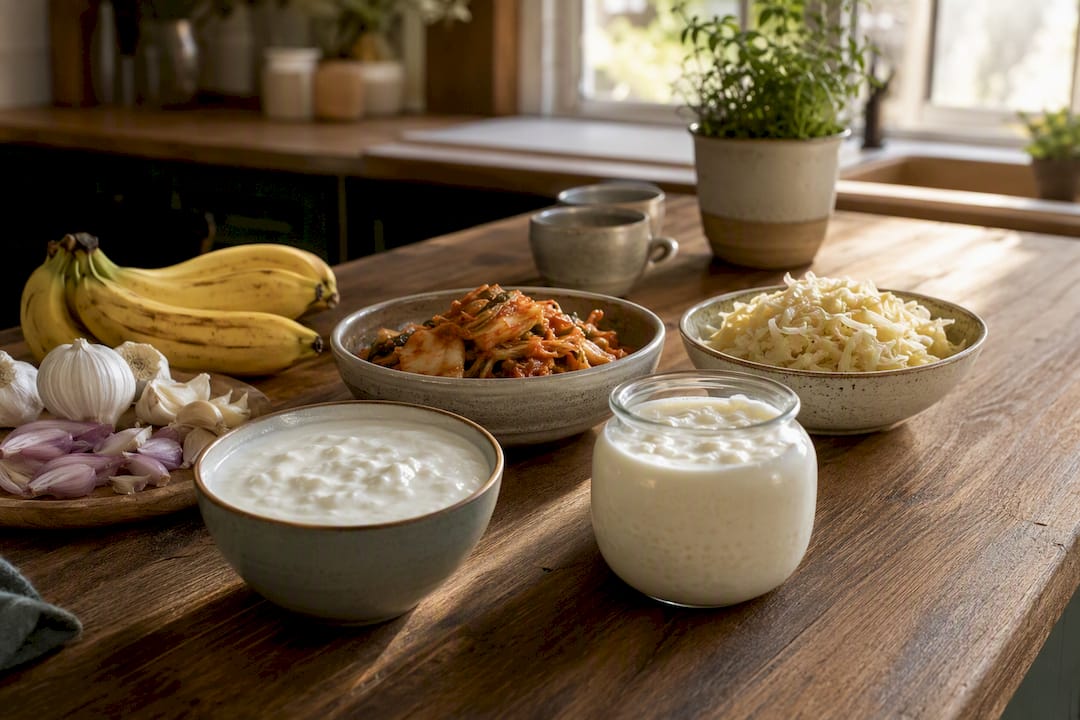
Probiotic supplements are a reasonable option if you don’t eat fermented foods regularly, though strain-specific evidence for PMDD symptoms specifically is still developing rather than settled. If you try one, look for multi-strain formulations with at least a few billion CFU, and give it six to eight weeks before judging whether it’s making a difference, gut microbiome changes don’t happen overnight.
One practical caution: if you’re already taking probiotics alongside an SSRI or other PMDD medication, mention it to your prescriber. It’s not a known dangerous interaction, but your clinician should have the full picture of what you’re taking.
For most women, this is a supporting strategy rather than a standalone fix, best layered onto the meal timing and blood sugar principles already covered rather than used in isolation.
Vitamin D and other overlooked micronutrients
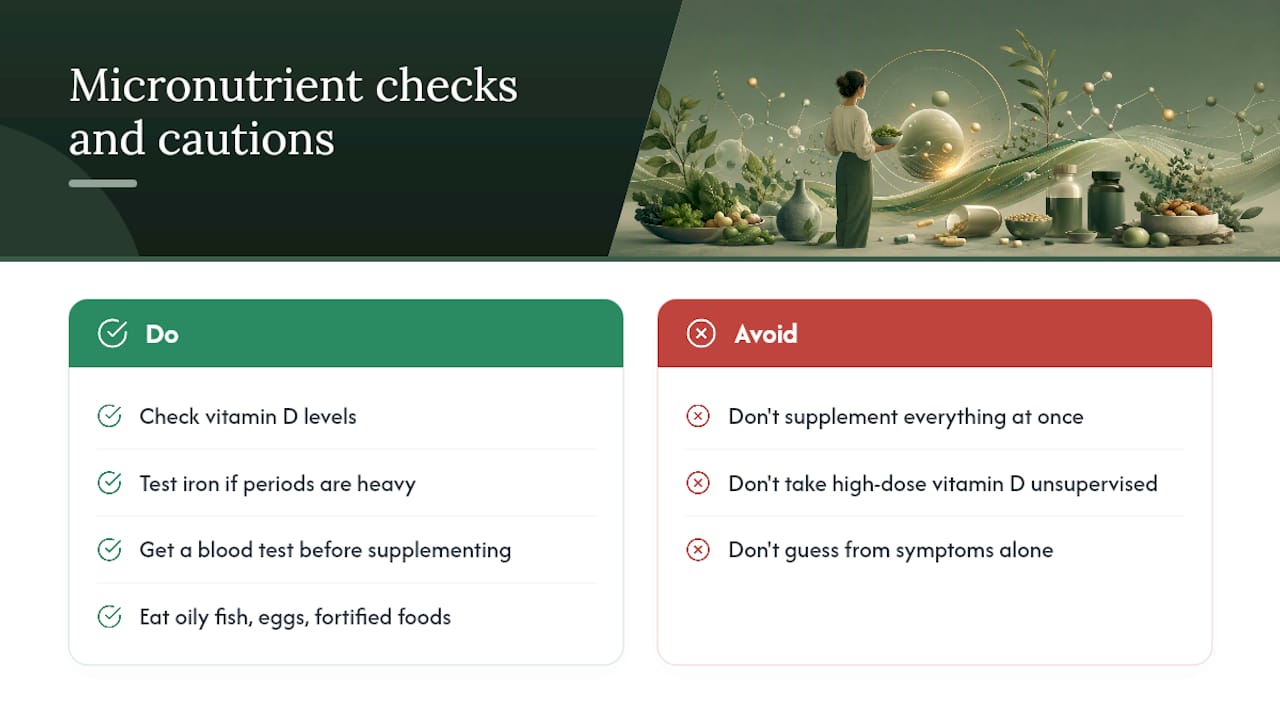
Vitamin D deficiency is common across the UK population, particularly in autumn and winter months when sunlight exposure drops, and low levels have been associated with worse mood symptoms generally. Because vitamin D receptors exist in areas of the brain involved in mood regulation, some clinicians consider it worth checking alongside the more commonly discussed calcium, magnesium, and B6.
Iron is another nutrient worth attention, especially if your periods are heavy. Low iron causes fatigue and poor concentration that can compound, rather than cause, the cognitive fog many women report during the luteal phase. Zinc plays a role in hormone metabolism and immune function, and some research has explored its relationship to premenstrual symptom severity, though the evidence here remains preliminary rather than conclusive.
Rather than supplementing everything at once, a blood test is the more sensible route. It tells you which of these you’re actually low in, rather than guessing and potentially over-supplementing nutrients you don’t need more of. Fat-soluble vitamins like D build up in the body over time, so unsupervised high-dose supplementation isn’t risk-free.
If you eat oily fish, eggs, and fortified foods regularly, and you get outdoors reasonably often, you may not need supplementation at all. The point isn’t to add every supplement mentioned in this guide. It’s to identify your specific gaps and address those, ideally with a blood test to confirm rather than a guess based on symptoms alone.
Can diet actually influence PMDD hormone regulation?
PMDD isn’t caused by abnormal hormone levels themselves, most research suggests women with PMDD have a heightened sensitivity to normal hormonal fluctuations rather than higher or lower hormones overall. Diet doesn’t change that underlying sensitivity, but it does influence how well your body copes with the fluctuation once it happens.
Stable blood glucose reduces the additional cortisol and adrenaline spikes that compound hormonal mood sensitivity, which is why the meal timing principles in this guide aren’t just about avoiding hunger, they’re about reducing the total physiological load your nervous system has to manage during an already sensitive window.
Omega-3 fatty acids influence this picture too, by supporting the anti-inflammatory pathways that interact with neurotransmitter production. Chronic low-grade inflammation appears more pronounced in women with severe premenstrual symptoms, and dietary patterns high in refined sugar and processed fats tend to promote that inflammatory state, while diets rich in oily fish, vegetables, and fibre tend to counter it.
None of this means diet reverses PMDD’s underlying cause. The heightened sensitivity to hormonal change appears to have a genetic and neurological basis that food alone doesn’t touch. What diet does is reduce the secondary physiological stressors, glucose swings, inflammation, nutrient shortfalls, that make the primary hormonal sensitivity feel worse than it needs to. That’s a meaningful, achievable goal, even if it isn’t a cure.
Diet, supplements, and your PMDD medication
If you’re on an SSRI for PMDD, a common first-line treatment, be aware that grapefruit and grapefruit juice can interfere with how your liver processes certain antidepressants, altering blood levels of the medication. This is worth checking with your pharmacist if citrus features heavily in your diet.
St John’s Wort, sometimes used as a natural mood supplement, has a well-documented interaction with SSRIs and hormonal contraceptives, reducing the effectiveness of both. Don’t combine them without medical guidance, even though St John’s Wort is sold over the counter and feels like a low-risk herbal option.
If you’re on combined hormonal contraception as part of PMDD management, high-dose vitamin supplementation, particularly vitamin B6 above trial-tested ranges, should be discussed with your prescriber rather than self-directed. The same caution applies to omega-3 supplements if you’re on blood-thinning medication for any other condition, since high-dose fish oil has a mild anticoagulant effect.
None of these interactions mean you should avoid supplements altogether if you’re on PMDD medication. It means the sensible order of operations is: tell your GP or pharmacist what you’re taking, including anything over-the-counter, before adding anything new. This is precisely where a structured nutrition programme earns its keep, because it accounts for your actual medication list rather than offering generic advice that assumes you’re taking nothing else.
Why consistency beats perfection with the PMDD diet
Most clients who stick with a stability-first approach report calmer, more predictable weeks rather than symptom-free ones, and that’s a realistic outcome worth aiming for. What actually moves the needle is consistency: the same balanced meal, most days, not an occasional perfect one. Start with one swap this cycle, not ten.
— Irina
Book a personalised nutrition consultation for PMDD
There’s no shortage of general PMDD diet advice online, but applying it to your actual cycle, food preferences, and medication list is where most people get stuck. A first consultation with Foodconnection starts by mapping your symptom pattern against your current eating habits, then builds a meal structure around what you’ll realistically stick with, not a generic template.
Where relevant, it includes functional lab testing to check nutrient status, such as vitamin D or iron, rather than guessing which supplement might help. You get ongoing support across your cycle, not a single session and a printed sheet. If general dietary changes haven’t shifted your symptoms after a cycle or two, that’s usually the signal a tailored programme through Foodconnection is worth booking.
Sources
Recommended
- PMS diet: foods that ease cramps, bloating and mood | FoodConnection blog
- Perimenopause: what’s happening and how food can help | FoodConnection blog
- Prediabetes diet: managing blood sugar with complex health needs | FoodConnection blog
- Reactive hypoglycaemia diet: stop post-meal lows | FoodConnection blog