
A practical PCOS diet plan for managing symptoms

A balanced, lower-GI Mediterranean-style eating pattern combined with regular movement and adequate sleep is the most practical first-line approach for most women managing PCOS. The core idea is straightforward: reduce rapid blood glucose spikes, lower chronic inflammation, and support your body’s insulin response through food quality rather than extreme restriction.
Start here:
- Swap white bread, white rice, and sugary cereals for wholegrains, oats, and legumes
- Build every meal around a protein source, plenty of non-starchy vegetables, and a small portion of low-GI carbohydrate
- Aim for three balanced meals a day, spaced at regular intervals, with one or two small snacks if needed
- Add 30 minutes of brisk walking or light activity most days
- Book an appointment with your GP if you have not yet had a formal PCOS diagnosis or recent blood tests
Pro Tip: Before making significant dietary changes, particularly if you are taking metformin or another medication, speak with your GP or a registered dietitian. Food directly affects how some medications work, and a clinician can help you avoid unintended interactions.
Key takeaways
A balanced, lower-GI eating pattern combined with regular movement and adequate sleep is the most practical and evidence-supported approach to managing PCOS symptoms and metabolic health.
| Point | Details |
|---|---|
| Start with a Mediterranean-style pattern | Wholegrains, legumes, oily fish, vegetables, and olive oil form the most evidence-backed foundation for PCOS. |
| Losing 5–10% of body weight helps | Even modest weight loss improves ovulation frequency, androgen levels, and insulin sensitivity in PCOS. |
| Pair every carb with protein and fibre | This slows glucose absorption and reduces the insulin spikes that drive many PCOS symptoms. |
| Lifestyle supports are not optional | Sleep, resistance training, and stress management each affect insulin sensitivity independently of diet. |
| Foodconnection offers personalised programmes | Tailored meal plans, lab interpretation, and ongoing support are available in London and online. |
Table of Contents
- How does PCOS affect your body, and why does diet matter?
- What does the research actually say about diet for PCOS?
- Which dietary pattern suits you best?
- What should you eat more of?
- What should you limit or avoid?
- A sample PCOS meal plan: what to eat in a day and across a week
- What are realistic weight-loss expectations with PCOS?
- Which lifestyle habits amplify your diet results?
- When should you seek personalised help?
- A note on what actually moves the needle with PCOS
- How Foodconnection supports women managing PCOS
- Sources
How does PCOS affect your body, and why does diet matter?
Polycystic ovary syndrome (PCOS) is one of the most common hormonal conditions affecting women of reproductive age. The NHS estimates that roughly 1 in 10 women in the UK are affected, though many go undiagnosed for years. Typical symptoms include irregular or absent periods, excess facial or body hair, acne, and difficulty managing weight.
The dietary link runs through insulin resistance. In many women with PCOS, cells respond less efficiently to insulin, so the pancreas produces more of it to compensate. Elevated insulin then stimulates the ovaries to produce excess androgens (male hormones such as testosterone), which disrupts ovulation and drives many of the visible symptoms. Carbohydrate quality matters here because refined carbs and sugary foods cause rapid glucose spikes, which in turn trigger larger insulin surges.
This does not mean carbohydrates are the enemy. It means the type, portion, and pairing of carbohydrates with protein and fibre makes a measurable difference to how your body responds. A bowl of white rice eaten alone hits the bloodstream very differently from the same portion of brown rice eaten alongside grilled salmon and roasted vegetables.
If you have not yet been tested, ask your GP for fasting glucose, insulin, lipid panel, and vitamin D levels. These give a baseline picture of your metabolic health and help guide how aggressively you need to adjust your diet.
What does the research actually say about diet for PCOS?
The honest answer is that no single diet has been proven superior for every woman with PCOS. A systematic review published in the European Journal of Nutrition found that multiple dietary interventions, including Mediterranean, DASH, low-GI, and lower-carbohydrate patterns, all produced improvements in weight, insulin sensitivity, and some reproductive outcomes. The catch: study heterogeneity makes it impossible to crown one approach as definitively best.
What the evidence does consistently support:
- Mediterranean-style eating shows the strongest combined evidence for reducing inflammation, improving insulin sensitivity, and supporting cardiovascular health in women with PCOS.
- DASH (Dietary Approaches to Stop Hypertension) produces comparable metabolic benefits and is particularly useful when blood pressure or cholesterol are also concerns.
- Low-GI diets help moderate post-meal glucose and insulin responses without requiring dramatic carbohydrate restriction.
- Lower-carbohydrate approaches (not necessarily ketogenic) can produce short-term improvements in weight and androgen levels, though adherence tends to drop significantly after six months.
- Calorie restriction alone improves metabolic markers when it results in modest weight loss, but it says nothing about food quality and is harder to sustain.
A PMC narrative review notes that ketogenic and very low-carbohydrate diets may offer short-term metabolic gains but carry real adherence and nutrient-adequacy risks. Women on these regimens often see initial results, then struggle to maintain them, which can create a frustrating cycle of restriction and rebound. Clinician supervision is strongly advised before attempting any very restrictive approach.
The practical takeaway: pick a pattern you can sustain for months, not weeks. Consistency with a moderately adjusted diet outperforms perfection with an extreme one.
Which dietary pattern suits you best?
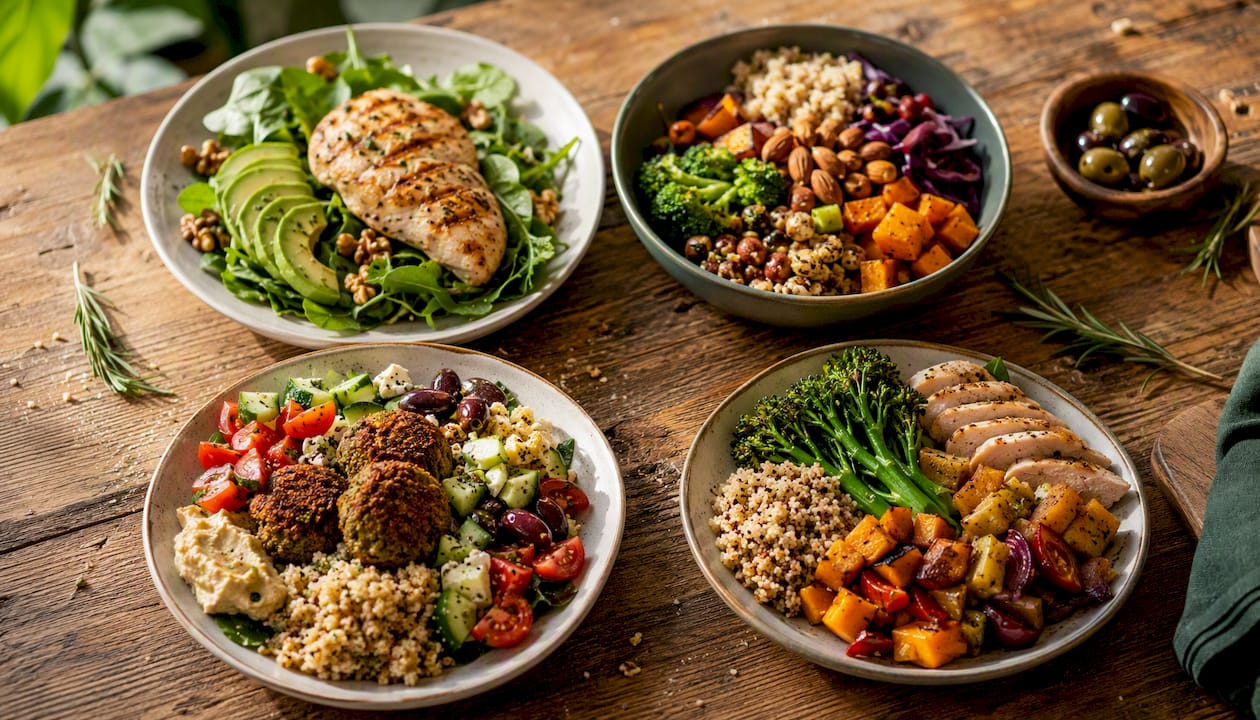
The four patterns with the most evidence each have a different practical profile. The right starting point depends on your symptoms, food preferences, and any co-existing conditions.
| Dietary pattern | Core principle | Best suited to | Key caution |
|---|---|---|---|
| Mediterranean | Wholegrains, oily fish, legumes, olive oil, vegetables, moderate dairy | Most women with PCOS as a first-line approach | None significant; easy to adapt culturally |
| DASH | Low sodium, high potassium, lean protein, low-fat dairy, limited saturated fat | Women with elevated blood pressure or cholesterol | May need to adjust sodium targets if active |
| Low-GI | Prioritise slow-digesting carbs; pair all carbs with protein and fibre | Women whose main issue is glucose control and energy crashes | Not a licence to eat unlimited low-GI foods |
| Lower-carbohydrate | Reduce total carbs moderately; higher protein and fat | Short-term metabolic reset; women who prefer fewer grains | Harder to sustain; monitor nutrient intake |
A few practical notes on personalising your approach:
- Cultural flexibility matters. Mediterranean eating is a framework, not a rigid menu. Lentil dahl, miso soup with tofu, or a bean-based West African stew all fit the principles of high fibre, lean protein, and anti-inflammatory fats.
- Vegetarian and vegan adaptations work well. Swap oily fish for flaxseed, walnuts, and algae-based omega-3 supplements; use legumes, tofu, tempeh, and edamame as primary protein sources.
- Johns Hopkins Medicine recommends pairing carbohydrates with protein and fibre at every meal and cautions against elimination diets and unsupervised intermittent fasting, particularly for women who already have irregular eating patterns.
On ketogenic diets specifically: the evidence suggests possible short-term benefits for weight and androgen levels, but the PMC narrative review flags adherence difficulties and potential nutrient gaps (particularly magnesium, potassium, and B vitamins). If you want to try a lower-carbohydrate approach, a moderate reduction (rather than full ketosis) is a more sustainable starting point, and working with a registered dietitian makes the difference between a well-structured plan and an inadvertently restrictive one.
What should you eat more of?
The Royal Berkshire NHS Trust dietary guidance for PCOS aligns closely with what the broader evidence supports: whole, minimally processed foods built around fibre, lean protein, and healthy fats. Here is a practical shopping list:
- Wholegrains and low-GI carbs: oats, brown rice, quinoa, wholegrain bread, barley, buckwheat, rye crackers
- Legumes: lentils, chickpeas, black beans, kidney beans, edamame (high fibre and protein, low GI)
- Non-starchy vegetables: broccoli, spinach, kale, courgette, peppers, cauliflower, cucumber, tomatoes
- Lean protein: chicken breast, turkey, eggs, Greek yoghurt, cottage cheese, tofu, tempeh
- Oily fish: salmon, mackerel, sardines, trout (two portions per week for omega-3s)
- Nuts and seeds: almonds, walnuts, chia seeds, flaxseed, pumpkin seeds
- Healthy fats: extra-virgin olive oil, avocado
- Low-GI fruits: berries (blueberries, raspberries, strawberries), apples, pears, cherries, oranges
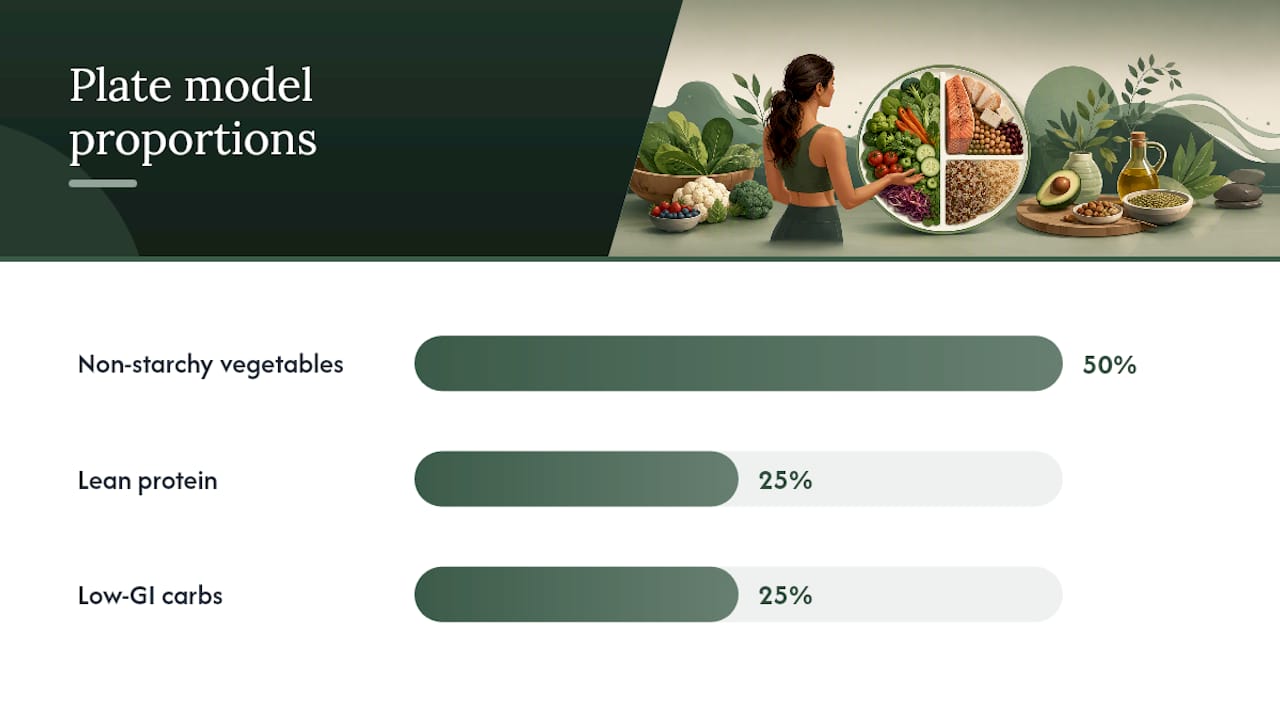
For meal proportions, a useful visual is the plate model: half the plate non-starchy vegetables, a quarter lean protein, and a quarter low-GI carbohydrate, with a small amount of healthy fat. This naturally moderates carbohydrate load without counting grams.
Three nutrients worth discussing with your clinician:
- Vitamin D: deficiency is common in PCOS and linked to worse insulin resistance. The NHS recommends a daily supplement of 10 micrograms for most UK adults, particularly through autumn and winter.
- Omega-3 fatty acids: found in oily fish and flaxseed; associated with reduced androgen levels and lower inflammation in some studies.
- Inositol (myo-inositol and D-chiro-inositol): a supplement with growing evidence for improving insulin sensitivity and ovulation in PCOS. Discuss dosing with a clinician before starting.
Pro Tip: Eating a larger, protein-rich breakfast and a lighter evening meal can help moderate insulin levels throughout the day. Mass General Brigham’s guidance supports front-loading calories earlier where possible, particularly for women whose glucose control is a primary concern.
What should you limit or avoid?
Reducing certain foods matters as much as adding the right ones. The following drive rapid glucose spikes, promote inflammation, or contribute to hormonal disruption.
Foods to limit:
- White bread, white pasta, white rice, and refined flour products
- Sugary drinks: fizzy drinks, fruit juices, energy drinks, sweetened coffees
- Ultra-processed foods: crisps, biscuits, ready meals with long ingredient lists
- Pastries, cakes, sweets, and confectionery
- Fried foods and foods high in trans fats (check labels for “partially hydrogenated oils”)
- Alcohol (disrupts liver metabolism of hormones and adds empty calories)
| Instead of | Try this |
|---|---|
| White bread | Wholegrain or rye bread, or an oatcake |
| White rice | Brown rice, quinoa, or cauliflower rice |
| Sugary breakfast cereal | Porridge oats with berries and nuts |
| Fizzy drinks or juice | Sparkling water with lemon or cucumber |
| Crisps or biscuits | A small handful of almonds or a boiled egg |
| Flavoured yoghurt | Plain Greek yoghurt with a teaspoon of honey |
On dairy and gluten: these are two areas where a lot of misinformation circulates. Most women with PCOS do not need to eliminate dairy or gluten. The evidence for a blanket dairy-free or gluten-free approach in PCOS is weak. If you suspect an intolerance (bloating, skin reactions, digestive discomfort), it is worth discussing an elimination trial with a dietitian rather than cutting entire food groups based on general advice. Removing dairy without a plan, for instance, can reduce calcium and iodine intake, both of which matter for hormonal and thyroid function.
For a practical guide to managing blood sugar through food choices, the prediabetes diet guidance on the Foodconnection blog covers carbohydrate pairing and glucose management in useful detail.
A sample PCOS meal plan: what to eat in a day and across a week
The goal with meal structure is to keep blood glucose steady, avoid large gaps between meals, and ensure every eating occasion includes protein, fibre, and a small amount of healthy fat. Guidance from Stony Brook Medicine recommends eating every 3–4 hours and never skipping breakfast.
Sample day
- Breakfast (7:30–8:00 AM): Porridge made with rolled oats and semi-skimmed or oat milk, topped with a tablespoon of ground flaxseed, a handful of blueberries, and a boiled egg on the side. This combination gives slow-release carbohydrate, omega-3s, and protein to anchor the morning.
- Mid-morning snack (10:30 AM): A small apple with a tablespoon of almond butter, or a small pot of plain Greek yoghurt.
- Lunch (1:00 PM): A large salad with mixed leaves, roasted chickpeas, cucumber, cherry tomatoes, half an avocado, and grilled chicken or a tin of sardines, dressed with olive oil and lemon juice. Add a slice of rye bread if you need more carbohydrate.
- Afternoon snack (3:30–4:00 PM): A small handful of walnuts and a couple of oatcakes, or carrot sticks with hummus.
- Dinner (6:30–7:00 PM): Baked salmon fillet with a large portion of roasted broccoli, courgette, and peppers, served with a small portion of brown rice or quinoa. Season with garlic, lemon, and herbs.
Three-day rotating template
- Day 1: Oat-based breakfast / lentil soup with wholegrain bread / grilled chicken with roasted vegetables and quinoa
- Day 2: Scrambled eggs with spinach and rye toast / chickpea and vegetable stir-fry with brown rice / mackerel with sweet potato and green beans
- Day 3: Greek yoghurt with berries and chia seeds / tuna and avocado wholegrain wrap / turkey mince with lentils, tomatoes, and a side salad
Variety swaps: rotate your protein source (eggs, fish, legumes, poultry), swap the grain (oats, quinoa, brown rice, barley), and change your vegetables by colour to cover different micronutrients. Batch-cooking a large pot of lentils or chickpeas on a Sunday makes weekday lunches significantly easier.
What are realistic weight-loss expectations with PCOS?
Weight loss with PCOS is genuinely harder than it is for women without the condition, and that is not a motivation problem. Insulin resistance alters how the body stores fat and responds to calorie deficits, which means standard advice often produces slower results. Acknowledging this upfront matters.
That said, even modest weight loss produces measurable clinical benefits. A systematic review in the European Journal of Nutrition found that losing 5–10% of body weight is associated with meaningful improvements in ovulation frequency, androgen levels, and insulin sensitivity. For a woman weighing 80 kg, that is 4–8 kg, which is achievable without extreme restriction.
Safe strategies to support weight management:
- Aim for a modest calorie deficit of around 300–500 kcal per day through food quality improvements rather than dramatic cuts
- Combine aerobic activity (walking, cycling, swimming) with resistance training; muscle tissue improves insulin sensitivity
- Prioritise sleep: poor sleep raises cortisol and ghrelin, both of which increase appetite and fat storage
- Track patterns rather than obsessing over daily numbers; weekly weigh-ins and a food diary for a few weeks can reveal habits you had not noticed
- If you are eating well and exercising consistently but not losing weight, that is a signal to seek further investigation, not to restrict more aggressively
If weight loss remains difficult despite genuine dietary and lifestyle effort, ask your GP about referral to a specialist or diabetes clinic. Medications such as metformin can improve insulin sensitivity and support weight management in some women with PCOS, and this is a conversation worth having rather than assuming diet alone must be sufficient.
For more on why healthy eating does not always produce expected weight loss, the Foodconnection blog post on eating healthily without losing weight covers several overlooked reasons in practical terms.
Which lifestyle habits amplify your diet results?
Diet is the foundation, but sleep, movement, and stress management each affect insulin sensitivity and hormone balance independently. Mass General Brigham’s clinical guidance is explicit on this point: diet, sleep, and activity together affect blood glucose and hormones in ways that diet alone cannot replicate.
A practical weekly checklist:
- Strength training twice a week: even bodyweight exercises (squats, lunges, press-ups) build muscle and improve insulin sensitivity. You do not need a gym.
- Daily movement: 30 minutes of brisk walking is enough to produce measurable metabolic benefits. Break it into two 15-minute walks if that fits better.
- Sleep: aim for 7–9 hours. Poor sleep raises cortisol, which worsens insulin resistance and increases cravings for high-carbohydrate foods.
- Stress management: chronic stress elevates cortisol and androgens. Even 10 minutes of diaphragmatic breathing, yoga, or a short walk outdoors can reduce cortisol meaningfully over time.
- Smoking cessation: smoking worsens insulin resistance and cardiovascular risk, both already elevated in PCOS. The NHS Stop Smoking Service offers free support.
Pro Tip: If you are new to resistance training, start with two sessions per week of 20–30 minutes, focusing on compound movements (squats, deadlifts, rows). A single session with a personal trainer or physiotherapist to check your form is worth the investment, particularly if you have joint concerns or have been sedentary for a while.
For a deeper look at how insulin resistance responds to personalised dietary approaches, the Foodconnection blog covers the evidence and practical steps in detail.
When should you seek personalised help?
Self-management with a good PCOS diet plan takes most women a long way, but there are clear signals that you need more than general guidance.
Seek GP input if:
- Your symptoms are worsening or you have not yet had a formal diagnosis
- You are taking metformin, the oral contraceptive pill, or other medications that interact with diet
- You have been following dietary and lifestyle changes consistently for 3–6 months without improvement
- You are trying to conceive and have irregular cycles
- You experience rapid, unexplained weight gain or loss
Ask your GP for these blood tests:
- Fasting glucose and HbA1c (to assess insulin resistance and diabetes risk)
- Lipid panel (cholesterol and triglycerides)
- Vitamin D and ferritin
- Thyroid function (TSH), as thyroid disorders can mimic or worsen PCOS symptoms
Consider a registered dietitian or personalised nutrition programme when:
- You want a structured, individually tailored meal plan rather than general guidance
- You have multiple co-existing conditions (e.g. IBS, thyroid disorder, elevated cholesterol)
- You need help interpreting functional lab results alongside dietary recommendations
- Previous attempts at dietary change have stalled or felt unsustainable
A personalised nutrition programme typically includes an in-depth health and dietary assessment, relevant laboratory testing with interpretation, a tailored meal plan, and regular follow-up to adjust the plan as your markers improve. This structured approach is meaningfully different from a one-off consultation or a generic online plan, particularly for a condition as variable as PCOS.
Always consult your GP before ordering private diagnostic tests or changing any prescribed medication.
A note on what actually moves the needle with PCOS
The most common mistake I see is treating PCOS as a problem that requires a perfect diet. Women spend months researching the ideal protocol, cutting dairy, going gluten-free, trying intermittent fasting, and cycling through approaches that each promise more than they deliver. The result is exhaustion, not progress.
What actually tends to shift the picture is far less dramatic: consistent low-GI eating, regular movement, and enough sleep. These three things, done imperfectly but reliably, produce better outcomes than any strict protocol followed for three weeks and abandoned. The women who see the most meaningful changes in cycle regularity, energy, and metabolic markers are usually the ones who stopped looking for the perfect plan and started building sustainable habits around food they genuinely enjoy.
The other thing worth saying plainly: PCOS is not your fault, and it is not fixed by willpower. Insulin resistance is a physiological condition that responds to physiological interventions. A good diet helps. So does working with someone who understands the condition well enough to adjust the plan when the standard advice is not working for you.
How Foodconnection supports women managing PCOS
Managing PCOS through diet is not a one-size-fits-all process, and a generic meal plan only gets you so far. Foodconnection offers personalised nutrition programmes built around your specific symptoms, lab results, and lifestyle, whether you are based in London or prefer to work online.
A programme with Foodconnection includes an in-depth initial assessment covering your health history, current diet, and relevant symptoms; interpretation of functional laboratory tests (including glucose, insulin, vitamin D, and lipid markers where appropriate); a tailored meal plan aligned to your metabolic profile; and ongoing follow-up sessions to adjust the plan as your results improve. The programme-based structure means you are not left to implement changes alone after a single appointment.
If you are ready to move from general guidance to a plan built specifically for you, book a consultation with Foodconnection or explore the personalised weight-loss support programme for women managing PCOS and metabolic health. For clinical concerns, always speak with your GP first.
Sources
The sources below were selected for clinical authority, peer-review quality, and relevance to UK patients managing PCOS through diet and lifestyle.
- Nhs
- Nutrition Strategy and Life Style in Polycystic Ovary Syndrome …
- Nutrition interventions in women with polycystic ovary syndrome: a systematic review | European Journal of Nutrition | Springer Nature Link
- PMOS Diet | Johns Hopkins Medicine
- Managing PCOS With Diet | Mass General Brigham
- Polycystic Ovary Syndrome (PCOS) dietary advice
This article is general information, not a substitute for advice from a qualified doctor. Consult a qualified healthcare professional about your own circumstances before acting on anything here.
Recommended
- Prediabetes diet: managing blood sugar with complex health needs | FoodConnection blog
- Insulin resistance diet: why personalisation changes everything | FoodConnection blog
- Cholesterol diet plan: what actually works for UK adults | FoodConnection blog
- Perimenopause: what’s happening and how food can help | FoodConnection blog