
The LPR diet: a practical 28-day healing plan

If you have laryngopharyngeal reflux (LPR), also called silent reflux, the single most useful thing you can do today is this: eat smaller meals, stop eating at least two to three hours before bed, and take an alginate such as Gaviscon Advance after each meal. Start a 28-day elimination of the main trigger foods listed below. Most people begin to notice a difference within four to six weeks when they combine diet changes with these practical measures.
LPR differs from typical heartburn (GORD) in that stomach acid and pepsin reach the throat and voice box rather than stopping at the oesophagus. That is why the symptoms, which include a persistent cough, hoarseness, throat clearing, and a lump-in-throat sensation, often appear without any burning at all. The diet approach follows from that mechanism: reduce acid load, protect the mucosa, and remove the foods that relax the lower oesophageal sphincter or delay gastric emptying.
Start today with these seven steps:
- Stop coffee, fizzy drinks, alcohol, and citrus juice immediately
- Swap to smaller meals, eaten slowly, five times a day rather than three large ones
- Eat nothing within two to three hours of lying down
- Take Gaviscon Advance (or another alginate) after each meal and before bed
- Raise the head of your bed by 15–20 cm using bed risers or a wedge pillow
- Begin a food-and-symptom diary from your very first meal
- Book a GP appointment if symptoms have lasted more than six weeks or you have any red flags below
Pro Tip: Swap your morning coffee for warm ginger or camomile tea. Replace orange juice with a small glass of still water with a slice of cucumber. For breakfast, try oat porridge with a sliced banana and a teaspoon of ground flaxseed — all three are among the most reliably well-tolerated LPR-friendly foods.
Red flags requiring urgent GP or ENT review: difficulty or pain when swallowing, unintentional weight loss, vomiting blood or passing black stools, persistent hoarseness lasting more than six weeks, or a new lump in the neck. Do not wait for a routine appointment if any of these apply.
Key takeaways
A low-acid, plant-forward diet combined with alginate use, consistent meal timing, and sleep position changes is the most evidence-supported approach to managing LPR, with most people seeing meaningful improvement within four to twelve weeks.
| Point | Details |
|---|---|
| Start the 28-day elimination now | Remove the main trigger foods (caffeine, citrus, alcohol, fatty and spicy foods) for 28 days before reintroducing one at a time. |
| Use alginate after every meal | Take Gaviscon Advance after meals and before bed; combined with diet, this approach showed the greatest symptom reduction in a randomised trial. |
| Time your meals carefully | Stop eating at least two to three hours before bed and keep evening meals light; meal timing is as important as food choice. |
| Keep a food-and-symptom diary | Record meals, symptoms, timing, and sleep daily; this is the only reliable way to identify your personal triggers. |
| See your GP for red flags or no improvement | Seek urgent review for dysphagia, weight loss, or hoarseness over six weeks; if diet and alginates bring no improvement by 12 weeks, ask for reassessment. |
| Foodconnection personalised programmes | Foodconnection offers tailored LPR nutrition plans, one-to-one support, and optional lab testing, available online across the UK. |
Table of Contents
- A practical 28-day LPR diet plan: what to eat, avoid, and reintroduce
- Which foods and drinks commonly trigger LPR?
- Foods that tend to suit an LPR diet, including breakfast ideas
- Lifestyle changes that make a real difference to LPR
- Medicines and over-the-counter options for LPR in the UK
- When to see your GP and what to expect
- How to identify your personal triggers systematically
- What the evidence says about diet for LPR
- Why personalised nutrition support matters for LPR
- How Foodconnection can support your LPR management
- Sources
A practical 28-day LPR diet plan: what to eat, avoid, and reintroduce
The goal of a 28-day elimination is to reduce mucosal exposure to acid and pepsin long enough for the throat and larynx to begin healing. It is not a permanent diet. Think of it as a reset window, after which you systematically reintroduce foods to find your personal threshold.
A prospective study following a low-fat, low-quick-release-sugar, high-protein, alkaline and plant-based diet found that a majority of participants reported symptom improvement at six weeks, with continued improvement in many by 12 weeks. That is a meaningful signal, though the study was observational and individual responses vary.
What to avoid strictly during the 28 days:
- All caffeinated drinks (coffee, standard tea, energy drinks, cola)
- Fizzy and carbonated drinks, including sparkling water
- Alcohol in any form
- Citrus fruits and juices (oranges, lemons, grapefruit, limes)
- Tomatoes and tomato-based products (ketchup, passata, tinned tomatoes)
- Chocolate and cocoa
- Peppermint and spearmint (including mint teas and chewing gum)
- Spicy foods and hot sauces
- Fatty or fried foods, including takeaways and full-fat dairy
- Raw onion and raw garlic
- Vinegar and pickled foods
Sample week 1 meal plan (UK-friendly):
- Monday: Porridge with banana and pumpkin seeds / Grilled chicken and steamed courgette with brown rice / Baked cod with sweet potato mash and green beans / Snack: rice cakes with almond butter
- Tuesday: Scrambled eggs with steamed spinach / Turkey and cucumber wrap in a plain flour tortilla / Steamed salmon with quinoa and broccoli / Snack: a ripe banana
- Wednesday: Low-fat natural yoghurt (or oat-based alternative) with melon / Chicken and vegetable soup (no tomato) / Grilled turkey breast with roasted carrots and courgette / Snack: a small handful of almonds
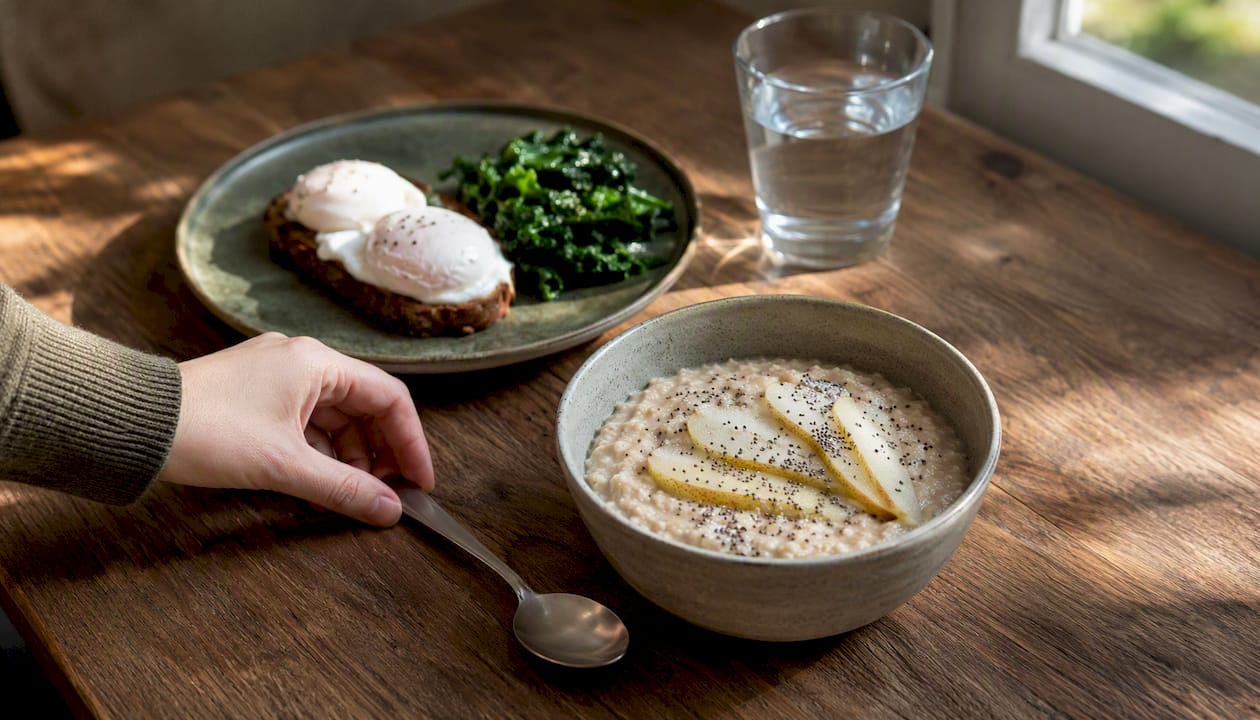
- Thursday: Oat porridge with pear and a drizzle of honey / Tuna (in spring water) with cucumber and brown rice / Baked chicken thighs (skin removed) with steamed green beans / Snack: rice cakes
- Friday: Poached eggs on wholegrain toast / Lentil soup (no tomato, no chilli) / Grilled sea bass with mashed sweet potato / Snack: melon cubes
- Saturday: Banana smoothie with oat milk and a tablespoon of oats / Baked potato with low-fat cottage cheese and cucumber / Steamed chicken with brown rice and steamed broccoli / Snack: plain oatcakes
- Sunday: Oat porridge with sliced pear / Grilled chicken salad (no dressing, no onion) / Baked salmon with quinoa and steamed asparagus / Snack: a small banana
What to track in your diary each day:
- Every meal and snack, including portion size and cooking method
- Symptom type, severity (1–10), and time of onset after eating
- Time of last meal before bed
- Alginate or medication taken, and when
- Sleep position and any night-time symptoms
- Stress level and physical activity
Reintroduction protocol (from day 29):
Reintroduce one food at a time. Eat a normal portion of the test food on day one, then observe for 48–72 hours before trying the next. If symptoms return, remove that food and wait until symptoms settle before testing the next candidate. Start with lower-risk foods (mild cooked tomato, weak tea) before testing higher-risk ones (coffee, alcohol, citrus). Keep the diary running throughout.
Strict dietary protocols can be hard to sustain, and trial data notes higher dropout rates in dietary arms compared with medication-only groups. Stepwise, realistic changes improve long-term adherence far better than an all-or-nothing approach.
Which foods and drinks commonly trigger LPR?
The NHS Plymouth patient leaflet on LPR lists the main culprits clearly, and the mechanisms behind them explain why they cause problems even when they seem harmless in other contexts.
Main trigger categories:
- Spicy foods: capsaicin directly irritates the laryngeal mucosa and may promote transient lower oesophageal sphincter (LOS) relaxations
- Fatty and fried foods: delay gastric emptying, increasing the time acid sits in the stomach and the window for reflux
- Chocolate: contains methylxanthines and fat, both of which relax the LOS
- Citrus fruits and juices: low pH directly damages already-inflamed mucosal tissue
- Tomatoes and tomato products: acidic and can worsen pepsin activity at the larynx
- Carbonated drinks: increase gastric pressure through swallowed gas, promoting reflux episodes
- Caffeine: relaxes the LOS and stimulates acid secretion
- Alcohol: relaxes the LOS, impairs oesophageal motility, and increases acid production
- Peppermint: relaxes the LOS, making it one of the more counterintuitive triggers given its reputation as a digestive aid
- High-sugar and ultra-processed foods: promote delayed gastric emptying and may worsen mucosal inflammation
Hidden triggers worth knowing:
Many people are caught out by foods they consider healthy. Raw onion, even in small amounts, is a potent LOS relaxant. Vinegar-based dressings and condiments are highly acidic. Fermented foods such as kimchi, sauerkraut, and kombucha are acidic and can aggravate symptoms despite their probiotic reputation. Seed oils used in high-heat frying can also be problematic when consumed in quantity.

Pro Tip: When eating out, ask for sauces and dressings on the side, request steamed or grilled rather than fried, and check whether soups are tomato-based. On food labels, watch for “acidity regulator”, “citric acid”, or “vinegar” in the ingredients list — all common hidden acid sources in ready meals and condiments.
Foods that tend to suit an LPR diet, including breakfast ideas
The aim is not a restrictive, joyless plate. Most people with LPR can eat a wide, satisfying range of foods once they know which categories to lean on.
Generally well-tolerated foods:
- Low-acid fruits: melon (cantaloupe, honeydew), banana, pear, peach, mango
- Vegetables: courgette, broccoli, green beans, asparagus, spinach, sweet potato, carrots, peas
- Lean protein: chicken breast (skin removed), turkey, white fish (cod, haddock, sea bass), salmon, eggs
- Wholegrains: oats, brown rice, quinoa, wholegrain bread, plain oatcakes
- Low-fat dairy or alternatives: low-fat natural yoghurt, oat milk, almond milk, low-fat cottage cheese
- Healthy fats in moderation: a small amount of olive oil for cooking, a few almonds or walnuts as a snack
- Herbs for flavour: fresh basil, parsley, coriander, thyme (avoid chilli and pepper in the elimination phase)
Breakfast ideas that work well:
Breakfast is the meal where most people struggle, particularly if they relied on coffee and citrus juice. Oat porridge made with oat milk, topped with sliced banana and a teaspoon of ground flaxseed, is one of the most reliable LPR-friendly starts. Poached or scrambled eggs with steamed spinach on wholegrain toast is another solid option. For something quicker, low-fat oat-based yoghurt with melon and a handful of pumpkin seeds covers protein, fibre, and alkaline fruit in one bowl.
Keeping nutrition balanced during restriction:
Cutting citrus removes a common vitamin C source, so replace it with kiwi (reintroduce cautiously), steamed broccoli, or sweet potato. Removing full-fat dairy reduces calcium; oat milk fortified with calcium and vitamin D covers this gap well. Iron stays adequate if you keep lean meat, fish, lentils, and leafy greens in rotation. Fibre is rarely a problem on a plant-forward LPR plan, but if you remove high-fibre fermented foods, add oats, pears, and cooked vegetables to compensate.
Suitable drinks:
Still water is the safest choice throughout. Herbal teas work well, but avoid peppermint and spearmint. Camomile, ginger, and liquorice root teas are commonly recommended. Oat milk and almond milk are good coffee substitutes when warmed. Alkaline water (pH above 7) is sometimes suggested for LPR, though the evidence for a specific benefit over standard still water remains limited.
Lifestyle changes that make a real difference to LPR
Diet is only part of the picture. Mayo Clinic guidance is clear that lifestyle measures, including meal timing, sleep position, and stopping smoking, are first-line steps alongside any medication. Many people find that getting these right produces as much relief as dietary changes alone.
Meal timing and portions:
- Eat five smaller meals rather than three large ones
- Stop eating at least two to three hours before lying down or going to bed
- Avoid large evening meals; keep dinner the lightest meal of the day
- Eat slowly and chew thoroughly; rapid eating increases swallowed air and gastric pressure
Sleep adjustments:
Raise the head of your bed by 15–20 cm using bed risers or a wedge pillow. A standard extra pillow under your head is not enough; the elevation needs to come from the mattress level. Cleveland Clinic guidance specifically recommends sleeping on your left side, as this position reduces the mechanical opportunity for acid to reach the oesophageal junction compared with lying on the right or on your back.
Weight, clothing, and exercise:
Excess abdominal weight increases intra-abdominal pressure and pushes stomach contents upward. Even modest weight loss can reduce reflux frequency in people who are overweight. Wear loose clothing around the waist and avoid tight waistbands, particularly after eating. Time vigorous exercise at least two hours after a meal; high-impact activity on a full stomach raises abdominal pressure sharply.
Smoking and alcohol:
Smoking provokes reflux rapidly by relaxing the LOS and impairing mucosal defence. Stopping is one of the highest-impact single changes you can make. Alcohol has a similar LOS-relaxing effect and also increases acid production; cutting it out during the 28-day phase is non-negotiable.
Stress:
Stress does not directly cause acid reflux, but it heightens sensitivity to symptoms and can alter gut motility. Practices such as diaphragmatic breathing, walking, and consistent sleep schedules are practical, low-cost ways to reduce the stress contribution to symptom flares.
Pro Tip: Set a phone alarm for your cut-off eating time each evening. It sounds simple, but having a hard stop removes the decision fatigue of judging whether “just a small snack” is acceptable. It usually is not, at least in the first four weeks.
Medicines and over-the-counter options for LPR in the UK
Diet and lifestyle changes work best when paired with appropriate medication, particularly in the early weeks before the mucosa has had time to heal.
Alginates (e.g. Gaviscon Advance):
Alginates work by forming a physical raft on top of stomach contents, creating a barrier that prevents acid and pepsin from reaching the oesophagus and throat. They do not reduce acid production; they block its upward movement. The NHS Plymouth LPR leaflet recommends taking an alginate after each meal and before bed. Gaviscon Advance (the stronger formulation, containing sodium alginate and potassium bicarbonate) is available over the counter at UK pharmacies. It is generally well tolerated and suitable for short-to-medium-term use without a prescription.
Proton pump inhibitors (PPIs, e.g. omeprazole):
PPIs reduce the amount of acid the stomach produces. In the UK, low-dose omeprazole (10 mg or 20 mg) is available over the counter; higher doses require a prescription. PPIs are often used for LPR when symptoms are moderate to severe or when alginates alone are insufficient. They are typically taken 30–60 minutes before the first meal of the day for maximum effect. A GP may prescribe a twice-daily regimen for LPR, as the condition often requires higher or longer treatment than typical GORD.
Long-term PPI use carries some safety considerations, including potential effects on magnesium and B12 absorption and a small association with bone density changes. Always discuss duration with your GP rather than continuing indefinitely without review.
How combined therapy compares:
A multicentre randomised controlled trial found that combining dietary modification with mucosal protectors produced the greatest short-term reduction in Reflux Symptom Index (RSI) and Reflux Finding Score (RFS) compared with either approach alone over one month. Diet plus alginate is not just additive; the combination appears to work better than either strategy in isolation.
| Approach | Mechanism | UK availability | Best used when |
|---|---|---|---|
| Alginate (Gaviscon Advance) | Physical barrier; blocks acid raft | OTC at pharmacies | After meals and before bed; first-line addition to diet |
| Low-dose PPI (omeprazole 10–20 mg) | Reduces acid production | OTC or prescription | Moderate to severe symptoms; alongside diet and alginate |
| Combined diet plus alginate | Reduces acid load and blocks reflux | Self-managed with OTC | Preferred approach per RCT evidence |
| Higher-dose or twice-daily PPI | Stronger acid suppression | Prescription only | Refractory symptoms; under GP supervision |
When to see your GP and what to expect
Most people with mild to moderate LPR symptoms can start the diet and alginate plan described here without an urgent appointment. However, some symptoms require prompt medical review.
Red flags that need urgent attention:
- Difficulty swallowing or pain on swallowing (dysphagia or odynophagia)
- Unintentional weight loss
- Vomiting blood or passing black, tarry stools
- A new lump in the neck or throat
- Persistent hoarseness lasting more than six weeks without improvement
The typical UK diagnostic pathway:
A GP will usually begin with a clinical assessment and a trial of treatment (lifestyle changes plus a PPI for four to eight weeks). If symptoms do not improve or are severe, referral to an ENT specialist follows. The ENT may perform a laryngoscopy, a brief procedure using a flexible camera passed through the nose to view the larynx and assess for signs of reflux damage such as redness, swelling, or granulomas. Where the diagnosis remains unclear, ambulatory pH or impedance monitoring may be arranged to confirm acid reaching beyond the oesophagus. This is a more involved test, typically done in secondary care.
A clinical review of LPR management notes that the condition is often multidisciplinary in its management, involving GPs, ENT surgeons, speech and language therapists, and dietitians, particularly for complex or refractory cases.
Expected timelines:
Diet and alginate changes can produce noticeable improvement within four to six weeks. Full symptom resolution, where it occurs, typically takes eight to twelve weeks of consistent adherence. If there is no meaningful improvement after twelve weeks of combined diet, lifestyle, and medication, return to your GP for reassessment.
How to identify your personal triggers systematically
Not every trigger food affects every person equally. Raw onion is a significant problem for some and barely noticeable for others. Personalised trigger identification, rather than blanket avoidance of every listed food forever, is the goal.
Setting up a food-and-symptom diary:
- Record every meal and drink, including portion size, cooking method, and time eaten
- Note symptoms within two hours of eating: type, severity on a scale of 1–10, and duration
- Log sleep position, time of last meal before bed, and any night-time symptoms
- Track alginate and medication use, stress level, and physical activity
- Continue for at least two full weeks before drawing conclusions
The elimination and reintroduction protocol:
- Complete the 28-day strict elimination phase as outlined above
- From day 29, reintroduce one food at a time, eating a normal portion on day one
- Observe for 48–72 hours before testing the next food
- If symptoms return, remove the food and wait for symptoms to settle before continuing
- Work through lower-risk foods first (mild cooked tomato, weak tea, small amounts of citrus) before higher-risk ones (coffee, alcohol, spicy food)
- Keep the diary running throughout reintroduction
When to involve a registered dietitian:
If your symptoms remain refractory after a careful elimination and reintroduction, or if you have coexisting conditions such as IBS or suspected SIBO, a registered dietitian can assess whether a low-FODMAP or low-histamine approach is warranted. These are more restrictive protocols with their own evidence base for related conditions, and they carry a higher risk of nutritional gaps if followed without professional guidance.
As a practical note from University of Rochester Medicine, many foods considered healthy, including tomatoes, citrus, and raw onion, can still trigger LPR in susceptible individuals. The diary removes the guesswork.
Avoid long-term restriction without reintroduction. The goal is the narrowest possible set of permanent avoidances, not a permanently restricted diet. Nutritional variety matters for long-term health, and unnecessary restriction increases the risk of deficiencies in calcium, iron, vitamin C, and fibre.
What the evidence says about diet for LPR
The evidence base for dietary intervention in LPR is growing but still limited compared with GORD. Most studies are small, observational, or short-term. That said, the direction of the evidence is consistent.
Key findings:
- The multicentre RCT combining dietary modification with mucosal protectors showed the greatest short-term reduction in RSI and RFS scores compared with either approach alone, with reduced pepsin concentrations at one month
- A prospective cohort study of a low-fat, alkaline, plant-forward diet found 74% of participants reported symptom improvement at six weeks, with continued gains by 12 weeks in many
- Mayo Clinic and Cleveland Clinic both position diet and lifestyle changes as first-line management, alongside medication where needed
- A clinical review underlines that LPR management is multidisciplinary; diet is one component of a broader approach that may include speech therapy, medication, and in rare cases surgery
Limitations to be aware of:
- Most dietary studies in LPR are small and lack long-term follow-up beyond 12 weeks
- Placebo effects in symptom-reporting studies are difficult to control for
- Individual variation in trigger foods is substantial; population-level findings do not predict individual responses reliably
- Adherence to strict dietary protocols is a consistent challenge; trial dropout rates in dietary arms are higher than in medication-only arms
The practical message from the evidence is that a low-fat, low-acid, plant-forward diet combined with an alginate and consistent lifestyle measures is the most evidence-supported starting point. Personalised refinement from there, guided by a diary and ideally a dietitian, produces the best long-term outcomes.
Why personalised nutrition support matters for LPR
Generic “avoid spicy food” advice gets most people only so far. The clients who see the most sustained improvement are those who work through a structured assessment, identify their specific triggers, and adjust their plan as their symptoms evolve rather than following a static list.
A typical nutrition programme for LPR begins with a detailed dietary and lifestyle assessment, including a review of current eating patterns, symptom history, and any relevant test results. From there, a tailored meal plan is built around the individual’s food preferences, nutritional needs, and symptom profile. The 28-day elimination is structured, not guesswork, and the reintroduction phase is monitored so that foods are not removed permanently without good reason.
Where symptoms are complex or where there is a suspicion of overlapping conditions such as IBS, SIBO, or histamine intolerance, functional laboratory testing can add precision. Knowing whether a client has specific gut microbiome imbalances or nutrient deficiencies changes the plan materially. It is the difference between a generic low-acid diet and one that is genuinely calibrated to the individual.
Personalised support also addresses the adherence problem that trial data consistently highlights. Having a structured programme with ongoing check-ins makes it far more likely that someone sticks with the changes long enough to see real results. A personalised nutrition plan built around your specific triggers and lifestyle is a different proposition from a printed list of foods to avoid.
How Foodconnection can support your LPR management
Managing LPR through diet alone can feel like navigating without a map. Foodconnection offers a structured, personalised alternative for people who want expert guidance rather than trial and error.
Foodconnection’s one-to-one nutrition programmes are built around your specific symptoms, food preferences, and health history. Rather than a single appointment and a generic handout, you receive a tailored elimination and reintroduction plan, ongoing support through the healing phase, and access to optional functional laboratory testing with full interpretation. If weight management is part of your picture, the personalised weight loss programme addresses the abdominal pressure component of reflux alongside broader nutritional goals.
All programmes are available online across the UK, with no need to travel. To find out which programme fits your situation, visit Foodconnection’s services page and book an initial consultation. The first step is a detailed assessment; from there, your plan is built around you.
Sources
The following resources are worth bookmarking and, where relevant, bringing to a GP or dietitian appointment.
- Multicentre RCT — diet plus mucosal protectors vs single therapy
- Prospective study of a low‑fat, plant‑forward diet for LPR (PubMed 34606102)
- Mayo Clinic Q and A: Lifestyle changes may ease laryngopharyngeal reflux
- Cleveland Clinic — Laryngopharyngeal reflux (LPR): symptoms and management
- Managing laryngopharyngeal reflux (LPR) — University Hospitals Plymouth NHS Trust patient leaflet
This article provides general information about diet and lifestyle approaches to LPR. It is not a substitute for professional medical or dietetic advice. If you are unsure about your symptoms or treatment, consult your GP or a registered dietitian.
Recommended
- Cholesterol diet plan: what actually works for UK adults | FoodConnection blog
- Post-viral fatigue diet: what to eat for Long Covid recovery | FoodConnection blog
- Low FODMAP diet: a practical guide for IBS relief in the UK | FoodConnection blog
- Insulin resistance diet: why personalisation changes everything | FoodConnection blog