
25–30g Fiber Daily: UK Clinician Led Diet for Estrogen Dominance

Yes, diet and lifestyle changes can ease some symptoms linked to oestrogen dominance and support how your body metabolises hormones, though they are not a substitute for medical assessment. The highest-value levers are fibre, cruciferous vegetables, maintaining a healthy weight, regular resistance and aerobic exercise, and cutting back on alcohol and ultra-processed foods. If you notice very heavy or abnormal bleeding, never stop prescribed HRT based on dietary advice alone: speak with your prescriber first.
TL;DR:
- Consuming 25 to 30 grams of fiber daily supports hormone detoxification and better symptom management, roughly double the average intake.
- Incorporating cruciferous vegetables, ground flaxseed, whole grains, legumes, and oily fish into meals promotes oestrogen balance and overall health.
- Limiting alcohol, ultra-processed foods, trans fats, and heating food in plastic reduces inflammation and hormone disruption risks.
- Regular resistance and aerobic exercise, combined with sufficient sleep and gut health support, enhance hormonal stability.
- Personalised nutrition plans with lab testing are recommended for ongoing symptoms or when general advice has limited impact.
Table of Contents
- Dietary patterns and foods that support oestrogen balance
- Foods, exposures and habits worth limiting
- Exercise, sleep and gut health: the lifestyle side of hormone balance
- Supplements and ‘detox’ approaches: what the evidence actually supports
- A flexible 7-day meal framework you can adapt
- When diet isn’t enough: signs you need medical assessment
- How personalised nutrition support changes the picture
- Getting personalised support for hormone balance
- Sources
- FAQ
Dietary patterns and foods that support oestrogen balance
Fibre plays a central role in how the body clears used oestrogen. Once the liver processes oestrogen, it is sent to the gut for excretion, but low fibre intake allows some of it to be reabsorbed rather than eliminated. Cruciferous vegetables (broccoli, cauliflower, kale, Brussels sprouts) contain compounds that support the liver’s detoxification pathways, while ground flaxseed provides lignans, a type of phytoestrogen that appears to bind weakly to oestrogen receptors and may help modulate circulating levels.
A plant-predominant, higher-fibre diet with adequate protein, calcium and vitamin D supports bone, muscle and cardiometabolic health through hormonal transitions, and UAB recommends 25 to 30 grams of fibre a day as part of this pattern. Even when the effect on hormone levels themselves is modest, the broader health gains, better bone density, steadier blood sugar, healthier arteries, make the change worthwhile.
25 to 30 grams of fibre daily is the target UAB researchers associate with better menopausal symptom management, roughly double what many adults currently eat.
Foods worth building meals around include:
- Ground flaxseed, one to two tablespoons daily, stirred into porridge or yoghurt.
- Cruciferous vegetables such as broccoli, cabbage, kale and rocket, aiming for a portion most days.
- Whole grains including oats, quinoa and brown rice in place of refined versions.
- Legumes like lentils, chickpeas and beans for fibre and plant protein together.
- Oily fish (salmon, mackerel, sardines) a couple of times a week for omega-3 fats.
- Leafy greens, nuts and seeds for magnesium, vitamin E and additional fibre.
A Mediterranean-style pattern combined with resistance training tends to deliver the most consistent results, and for those managing premenstrual symptoms specifically, stabilising blood sugar through diet is often the first practical step.
Foods, exposures and habits worth limiting
Some dietary and lifestyle factors work against hormone balance, though the goal is moderation rather than elimination.
- Alcohol: heavier drinking is linked with higher circulating oestrogen and increased body fat, both of which can worsen symptoms; cutting back, even without stopping entirely, tends to help.
- Ultra-processed foods and added sugar: diets heavy in these foods drive inflammation and weight gain, both of which interact with hormone metabolism.
- Trans fats and heavily processed meats: linked with systemic inflammation; swapping some red and processed meat for fish, poultry or legumes is a reasonable middle ground rather than a blanket ban.
- Xenoestrogen exposure: simple swaps such as avoiding heating food in plastic containers and choosing fragrance-free personal care products where practical can reduce unnecessary exposure.
- Dairy: moderate intake is generally fine for most people; there is no need to eliminate it unless you notice a personal pattern of symptoms.
A UHS NHS patient factsheet on diet and endometriosis recommends similar principles: more vegetables and omega-3 sources, less alcohol, caffeine and processed food, alongside good sleep and a food journal to spot personal triggers.
Exercise, sleep and gut health: the lifestyle side of hormone balance
Diet alone rarely tells the whole story. Regular resistance training builds and preserves muscle, which improves insulin sensitivity and supports a healthier body composition, while aerobic exercise helps with weight management and cardiovascular health during hormonal transitions. ACOG’s guidance on premenstrual disorders places exercise alongside nutrition as part of a multimodal approach, not a standalone fix.
Sleep and stress also matter, and for many, hormone medication for anxiety, depression, and mood can be a supportive part of managing these challenges Hormone medication for anxiety, depression, and mood - Revive Health Therapy. Poor sleep disrupts the hormones that regulate appetite and stress response, which can indirectly affect oestrogen metabolism, and chronic stress keeps cortisol elevated in ways that compound hormonal symptoms.
Gut health deserves particular attention because the gut microbiome influences how oestrogen is reabsorbed or excreted. A fibre-rich diet supports the bacteria involved in this process, helping the body clear used hormones rather than recycle them.
- Aim for two to three resistance sessions a week alongside regular walking or cardio.
- Prioritise seven to nine hours of sleep and a consistent bedtime.
- Build fibre gradually to support gut bacteria without causing digestive discomfort.
- Track symptoms (bloating, mood, sleep, cycle changes) to see what is actually working.
Pro Tip: Start with one lifestyle change at a time, fibre, sleep or exercise, so you can tell which one is actually moving the needle.
Supplements and ‘detox’ approaches: what the evidence actually supports
Soy is one of the most misunderstood foods in this space. A systematic review and meta-analysis of 40 randomised trials involving 3,285 postmenopausal women found that soy isoflavones produced no statistically significant changes in estradiol, endometrial thickness, vaginal maturation index or FSH, evidence that soy behaves differently from human oestrogen rather than mimicking it in a way that would worsen dominance.
Other popular supplements, including DIM and calcium-D-glucarate, and various herbal blends marketed for hormone ‘detox’, have far less robust evidence behind them. Some may interact with medications or place extra load on the liver, and professional guidance consistently cautions that supplement quality and evidence vary widely, with ACOG noting these should be discussed with a clinician rather than self-prescribed.
- Soy foods (tofu, edamame, tempeh) can be eaten as part of a balanced diet without the estrogenic concern often attached to them.
- DIM and calcium-D-glucarate lack strong trial evidence and may interact with certain medications.
- Herbal ‘hormone balance’ blends vary enormously in quality and are not regulated the way medicines are.
- Always check with a clinician before starting a new supplement, particularly alongside prescribed hormone treatment.
A flexible 7-day meal framework you can adapt
A simple daily template removes the guesswork: build each day around a fibre-rich breakfast, a protein-and-crucifer lunch, an oily-fish or legume-based dinner, and two snacks that lean on nuts, seeds or fruit.
- Breakfast: porridge with a tablespoon of ground flaxseed, berries and a spoon of nut butter.
- Lunch: a grain bowl with quinoa, roasted broccoli or cauliflower, chickpeas and a citrus dressing.
- Dinner: baked salmon with sautéed kale, brown rice and a side of steamed cabbage.
- Snack one: a handful of walnuts or almonds with an apple.
- Snack two: hummus with carrot and cucumber sticks.
For variety across the week, rotate lentil soups, stir-fried tofu with greens, bean chilli, and roasted vegetable traybakes with wholegrain couscous.
- Batch-cook grains and roasted vegetables at the start of the week to save time.
- When eating out, choose a protein plus vegetable-heavy option and ask for dressings on the side.
- For vegetarian or vegan versions, lean on lentils, tofu, tempeh and a wider variety of nuts and seeds to keep protein and fibre targets on track.
Those wanting a more structured, week-by-week plan may find a four-week evidence-led perimenopause diet useful for building on this framework.
When diet isn’t enough: signs you need medical assessment
Diet and lifestyle changes have real limits, and some symptoms need prompt clinical attention rather than a new meal plan.
- Very heavy or prolonged menstrual bleeding, or any bleeding after menopause.
- Persistent pelvic pain that does not settle with simple measures.
- A new lump in the breast or unexplained swelling.
- Sudden or severe changes in your usual symptom pattern.
The NHS advises seeking assessment for these signs and is clear that prescribed HRT should never be stopped or changed based on online dietary advice. Routine hormone blood testing is often unnecessary in perimenopause, as clinicians usually diagnose by history and symptom pattern, reserving testing for younger patients or atypical bleeding.
How personalised nutrition support changes the picture
Generic advice can only go so far because oestrogen dominance often overlaps with other issues, thyroid function, insulin sensitivity, gut health, that a standard list of foods to eat or avoid cannot account for. A practitioner-led process typically starts with an in-depth consultation, moves into optional laboratory testing where it is genuinely useful, and builds a personalised plan from there, with ongoing follow-up to adjust as symptoms change.
At Food Connection, clients often report improved energy and better symptom control once their plan reflects their actual test results and daily life rather than a one-size list. One documented case study describes a notable reduction in hot flashes within a focused diet plan. This kind of support tends to suit people who have already tried general advice without lasting change and want a plan built around their own biology.
— Irina
Getting personalised support for hormone balance
If you have tried the general principles here and still feel stuck, a structured programme can take the guesswork out of what to eat and when to test. Food Connection’s initial consultation runs for one and a half hours and includes written personalised recommendations, priced at £150, with a one-hour follow-up available within eight weeks for £120.
- Ongoing support includes subsequent one-hour follow-up consultations and structured programme options.
- Laboratory test analysis and interpretation is available for those who want to understand hormone, thyroid or gut markers before building a plan.
- Sessions are available in person and online, supporting people managing perimenopause, PCOS, thyroid concerns or general hormonal symptoms.
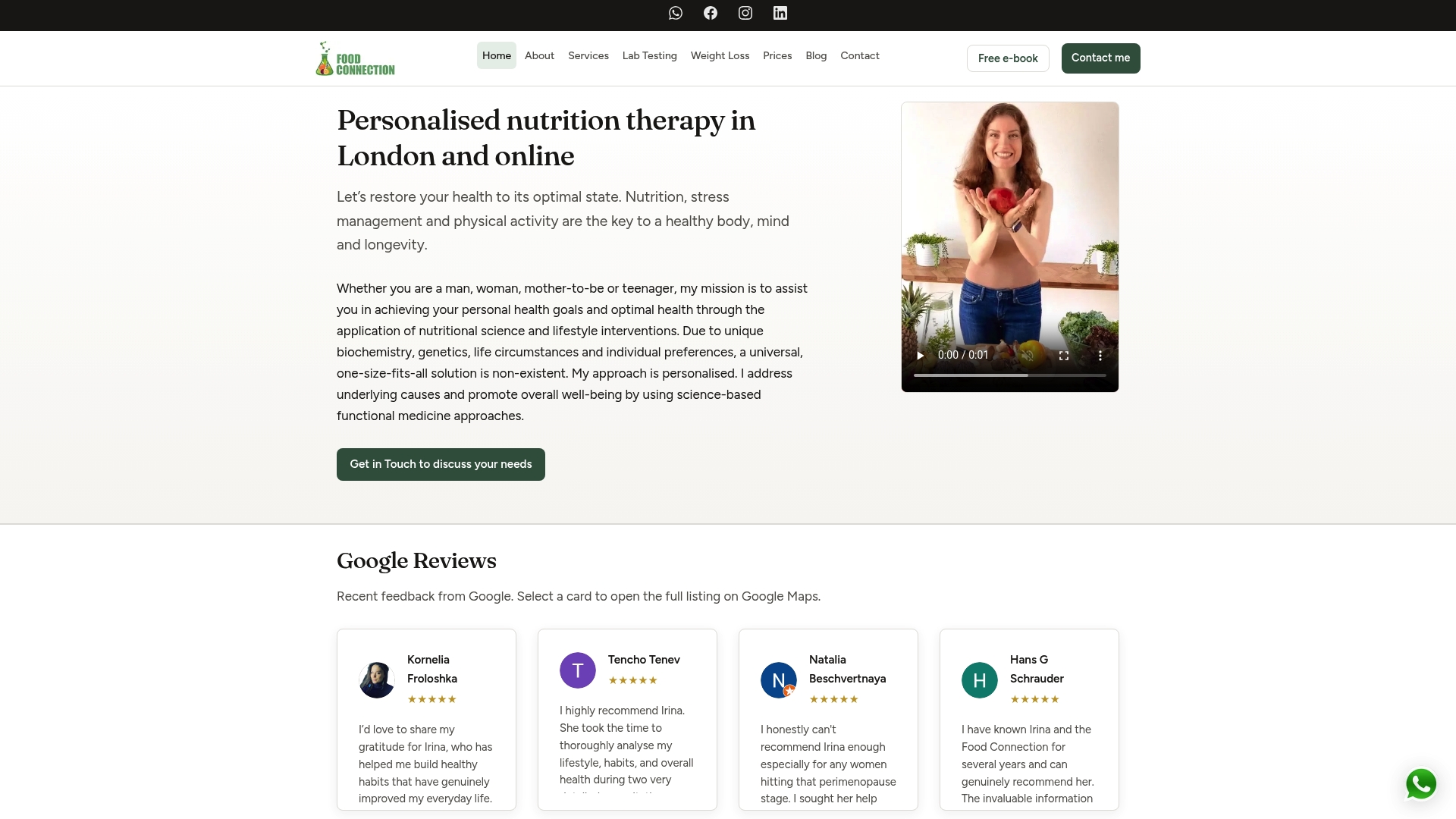
Full pricing and service details are on the Food Connection prices and services pages, where you can book an initial consultation directly.
Sources
- How diet can help manage menopause symptoms | UAB News
- Menopause and perimenopause symptoms | NHS
- ACOG guideline on management of premenstrual disorders
- Effect of soy isoflavones on measures of estrogenicity: systematic review and meta-analysis
- Your diet and endometriosis (patient factsheet) | UHS NHS
FAQ
What foods lower estrogen dominance?
High-fibre foods, cruciferous vegetables like broccoli and kale, ground flaxseed, whole grains and legumes support the body’s own processes for clearing used oestrogen. UAB associates a plant-predominant, higher-fibre diet with better symptom management, though no single food removes excess oestrogen on its own.
How do I fix my estrogen dominance?
There is no single fix, but combining more fibre, cruciferous vegetables and regular exercise with less alcohol and fewer ultra-processed foods addresses the main dietary and lifestyle levers. Persistent or severe symptoms, especially abnormal bleeding, warrant a clinical assessment rather than diet changes alone.
What are 5 foods to avoid for estrogen dominance?
Excess alcohol, ultra-processed snacks, foods high in trans fats, large amounts of processed red meat and food heated in plastic containers are worth limiting rather than eliminating entirely. The aim is moderation and pragmatic swaps, not strict bans, in line with patient guidance on diet and hormonal symptoms.
What is a good diet plan for estrogen dominance?
A good plan centres on fibre-rich meals with cruciferous vegetables, whole grains, legumes, oily fish and ground flaxseed, built around a simple daily template of balanced breakfast, lunch, dinner and two snacks. Those wanting a structured version can follow a four-week evidence-led perimenopause diet or seek a personalised plan from a nutrition practitioner.
Is soy safe if I have estrogen dominance?
Yes, moderate soy intake is generally considered safe, since a large systematic review and meta-analysis found soy isoflavones did not significantly change estradiol or related markers in postmenopausal women. This suggests soy behaves differently from the body’s own oestrogen rather than adding to an existing imbalance.