
The best evidence-based approach to eating with endometriosis

There’s no single diet that cures endometriosis, but adopting an anti-inflammatory, Mediterranean-style eating pattern, built around plants, fibre, regular oily fish, and less red and processed meat, can reduce pain and symptom burden for many people. Endometriosis affects roughly 10% of women of reproductive age worldwide, and while food won’t shrink lesions, it can genuinely change how you feel week to week.
If you’re starting today, four moves matter more than any strict rulebook:
- Fill half your plate with vegetables and fruit at most meals, prioritising colour and variety over any single “superfood”.
- Add oily fish twice a week (or a plant-based omega-3 source if you don’t eat fish).
- Push fibre intake up gradually towards 25 to 35 grams a day through whole grains, legumes, and vegetables.
- Cut back on red and processed meat and alcohol, rather than eliminating them outright.
None of this replaces medical treatment. Think of diet as one lever among several, alongside medication, movement, and sleep, that can meaningfully shift how your body copes with an inflammatory condition.
Table of Contents
- Why diet may matter for an endometriosis diet: the biology and the evidence
- What foods to eat for endometriosis: building an anti-inflammatory plate
- What foods to avoid with endometriosis, and how to cut back realistically
- Should you try low-FODMAP or gluten-free for endometriosis?
- Nutrients to watch: iron, vitamin D, B12, and supplement evidence
- Turning the plan into meals: a practical grocery list
- When to seek personalised care for your diet and endometriosis
- What I tell clients about eating with endometriosis
- Foodconnection’s approach to endometriosis nutrition
- Get personalised support for your endometriosis diet
- Sources
Why diet may matter for an endometriosis diet: the biology and the evidence
Endometriosis is driven partly by chronic low-grade inflammation, and diet is one of the few daily inputs you have real control over. Endometrial-like tissue growing outside the uterus produces inflammatory compounds called prostaglandins, which drive pain and cramping. Diets rich in omega-3 fatty acids appear to shift the balance towards less inflammatory prostaglandin production, while diets heavy in omega-6 fats and processed foods tend to do the opposite.
Fibre plays a second, less obvious role. Oestrogen gets metabolised in the liver and excreted through the gut, and a fibre-poor diet can slow that clearance, allowing more oestrogen to recirculate. Because endometriosis lesions are oestrogen-sensitive, this recycling may fuel further growth and inflammation. Some mechanistic research suggests that higher fibre intake and lower dietary fat can reduce circulating oestrogen by a meaningful margin, though the exact figure varies by study population.
The gut microbiome adds a third layer. An imbalanced microbiome may increase intestinal permeability and systemic inflammation, feeding into the same pathways that worsen endometriosis symptoms. This is still an emerging area of research rather than settled fact.
Nutrition likely influences endometriosis through inflammation, oestrogen metabolism, and the microbiome, but most supporting studies are observational or small pilot trials, not the large randomised controlled trials that would confirm cause and effect.
That caveat matters. A comprehensive review of nutrition and endometriosis found plausible biological mechanisms but acknowledged that high-quality trial data remains limited. What we do have is encouraging:
- Pilot interventions using Mediterranean-style eating reported significant reductions in pain scores after six months.
- Single-arm and cohort studies have recorded improvements in painful periods, painful intercourse, and painful bowel movements following anti-inflammatory dietary changes, though sample sizes are typically modest.
- Observational data consistently link higher fruit, vegetable, and omega-3 intake with lower symptom burden.
The honest summary: the direction of evidence favours anti-inflammatory eating, but no one should expect a diet alone to replace medical management.
What foods to eat for endometriosis: building an anti-inflammatory plate
Once you accept that no single ingredient is magic, the goal becomes simple: shift the overall pattern of what you eat most days. This is where a Mediterranean-style template earns its reputation, not because of one hero food, but because of the combination.
1. Anchor meals in plants and fibre. Aim for 25 to 35 grams of fibre daily, spread across meals rather than loaded into one sitting. Lentils, chickpeas, oats, berries, and leafy greens are efficient ways to get there without overhauling every meal.
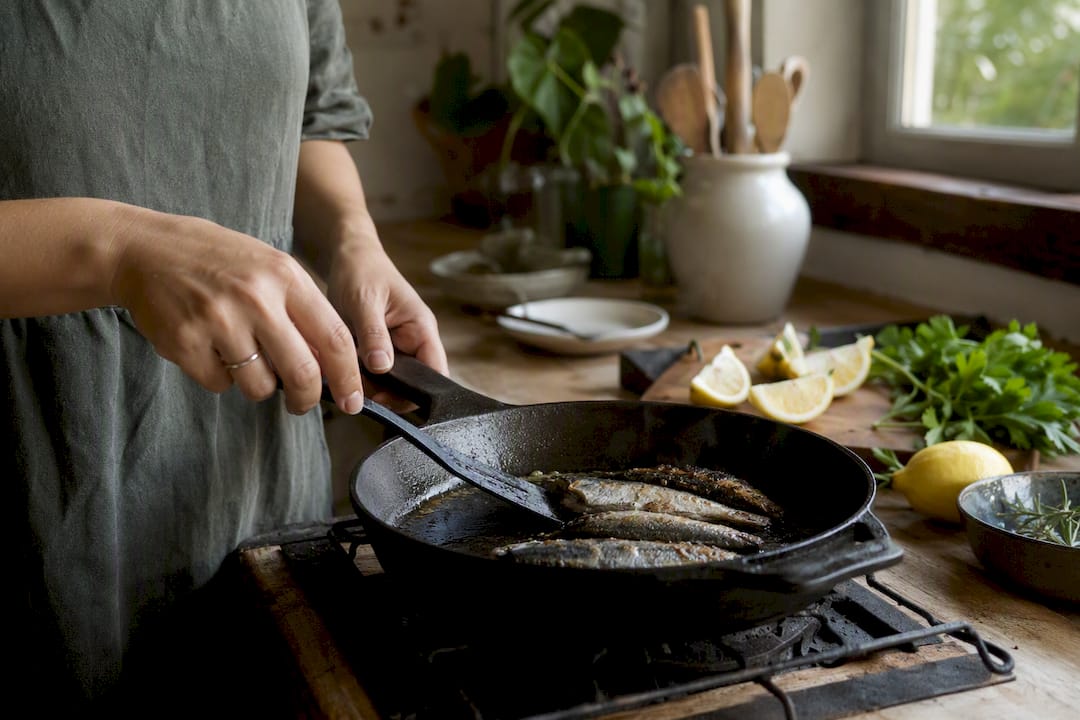
2. Make oily fish a weekly habit. Salmon, mackerel, sardines, and anchovies twice a week supply omega-3s directly. If fish isn’t part of your diet, ground flaxseed, chia seeds, and walnuts offer plant-based alternatives, though conversion to the active omega-3 forms is less efficient.
3. Rotate legumes, whole grains, nuts, and seeds as your default proteins. These deliver fibre and protein together, which keeps blood sugar steadier than refined carbohydrates and supports the gut bacteria linked to lower inflammation.
4. Cook with extra-virgin olive oil and add avocado where it fits. Both provide monounsaturated fats associated with lower inflammatory markers in Mediterranean diet research.
5. Season generously with turmeric, ginger, and garlic. These won’t replace medication, but they’re a low-risk way to add anti-inflammatory compounds to everyday cooking.
Practical swaps make this sustainable:
- Swap white bread for wholegrain or sourdough with visible seeds and grains.
- Replace half the mince in a bolognese with cooked lentils.
- Trade a sugary yoghurt for plain yoghurt with berries and a spoon of ground flaxseed.
- Use tinned sardines or mackerel as a five-minute lunch over salad.
Pro Tip: Batch-cook a big pot of lentil or bean soup on a Sunday and freeze it in portions. On the days pain flares and cooking feels impossible, you’ll have an anti-inflammatory meal ready in minutes rather than reaching for something processed.
If you want a deeper dive into building this pattern day to day, Foodconnection’s guide to an anti-inflammatory diet covers the principles in more detail.
What foods to avoid with endometriosis, and how to cut back realistically
Certain foods and habits are consistently associated with worse inflammation and, in some studies, greater endometriosis risk or symptom severity. The evidence points most strongly towards red and processed meat, trans fats, ultra-processed food, added sugar, and alcohol.
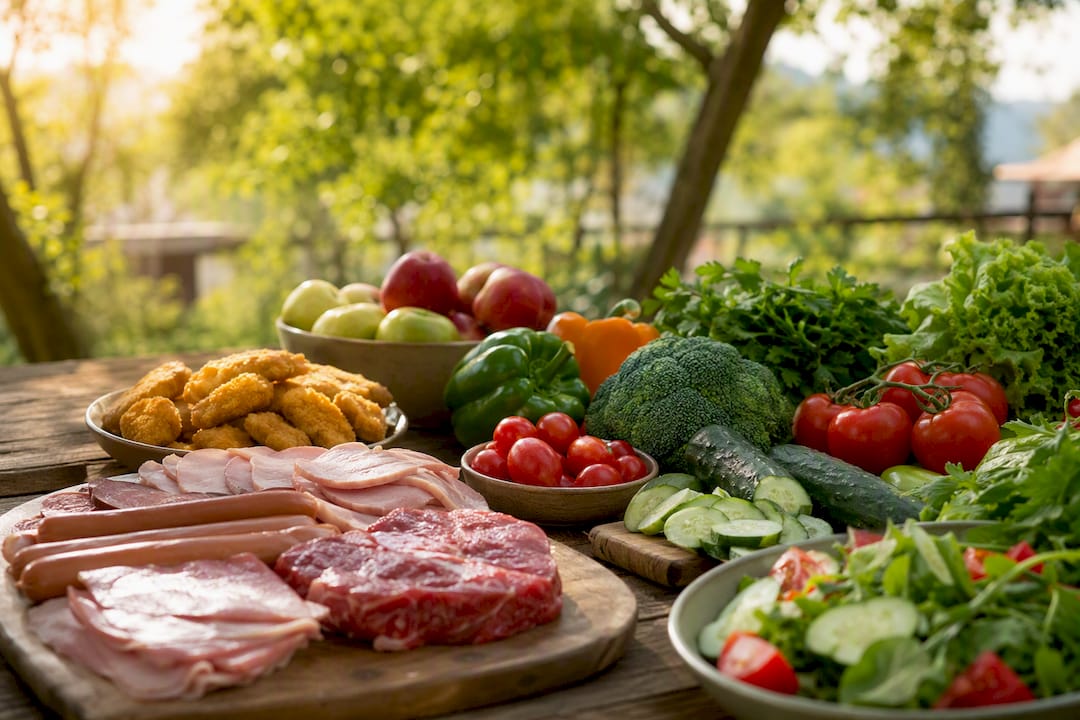
Red meat, particularly processed varieties like bacon, sausages, and deli meats, has been linked in observational studies to higher endometriosis risk, possibly through its effect on oestrogen levels and inflammatory pathways. Trans fats, found in some fried and packaged baked goods, are one of the more consistently flagged culprits across nutrition research generally. Alcohol affects oestrogen metabolism directly and can also worsen gut symptoms that overlap with endometriosis flares.
None of this means absolute bans. A more workable approach:
- Limit red meat to once or twice a week rather than daily, and choose leaner cuts when you do.
- Treat ultra-processed snacks and ready meals as occasional, not default.
- Cap alcohol at levels your body clearly tolerates, and notice whether specific drinks (wine versus spirits) affect your symptoms differently.
- Reduce added sugar gradually rather than cutting it overnight, which tends to backfire.
Caffeine and dairy are murkier. Neither has strong evidence linking it to worse endometriosis outcomes, but some people report personal sensitivity. If you suspect either is a trigger, trial a reduction for two to three weeks and track your symptoms rather than eliminating them indefinitely on a hunch.
Pro Tip: Keep a simple symptom and food diary for one menstrual cycle before you cut anything. Patterns that feel obvious in the moment often look different once you see them written down over four weeks.
Should you try low-FODMAP or gluten-free for endometriosis?
These targeted diets suit a specific subset of people, not everyone with endometriosis, and they work best as short, structured trials rather than permanent lifestyle changes.
1. Low-FODMAP for concurrent IBS symptoms. Endometriosis and irritable bowel syndrome overlap frequently, and when bloating, cramping, or bowel changes are prominent, a low-FODMAP trial can help. A retrospective study found that 72% of women with both conditions reported symptomatic relief after following the approach. Low-FODMAP is restrictive by design and should run under dietitian supervision, typically two to six weeks of elimination followed by careful reintroduction to identify your personal triggers. Foodconnection’s low-FODMAP guide walks through what that process looks like in practice.
2. Gluten-free for a smaller subset. Evidence here is mixed. Some retrospective reports describe symptom improvement in women who cut gluten, but nothing approaching the strength of the low-FODMAP data exists. If you suspect gluten is a factor, a structured 4 to 12 week trial, ideally with a dietitian checking your nutrient intake, is a reasonable way to test it rather than committing indefinitely on assumption.
3. Avoid ketogenic and extreme elimination diets without supervision. Severely restrictive approaches carry real risk of nutritional deficiency and are rarely necessary for symptom control. If a diet asks you to remove entire food groups long-term, that’s a signal to get professional input first.
Nutrients to watch: iron, vitamin D, B12, and supplement evidence
Heavy or prolonged periods, common with endometriosis, put you at real risk of iron deficiency, so ask your GP about checking ferritin and full blood count if you experience fatigue, breathlessness, or heavy bleeding. Vitamin D and B12 deficiencies are also worth screening for, particularly if you’ve reduced meat or dairy intake as part of dietary changes, or if you experience unexplained tiredness or low mood.
Common signs worth flagging to a clinician:
- Persistent fatigue that doesn’t improve with rest.
- Pale skin, dizziness, or shortness of breath (possible iron deficiency).
- Low mood, brain fog, or tingling in hands and feet (possible B12 concern).
- Bone or muscle aches, especially with low sun exposure (possible vitamin D concern).
On supplements, the picture is promising but not conclusive. Evidence summaries on omega-3s, N-acetylcysteine, and curcumin point to some symptom reduction in small trials, but results vary and dosing isn’t standardised across studies. Treat these as possible additions to discuss with a clinician, not guaranteed fixes. This matters even more if you’re preparing for surgery or taking hormonal medication, since some supplements can interact with blood clotting or hormone metabolism.
Turning the plan into meals: a practical grocery list
Theory is one thing; a Tuesday-night dinner is another. A well-stocked kitchen makes the anti-inflammatory pattern far easier to sustain.
| Category | Examples to keep on hand |
|---|---|
| Fresh or frozen produce | Spinach, broccoli, berries, frozen mixed vegetables |
| Pantry staples | Tinned lentils, chickpeas, wholegrain pasta, oats |
| Protein | Tinned sardines, mackerel, eggs, tofu |
| Fats and flavour | Extra-virgin olive oil, turmeric, ginger, garlic |
| Snacks | Walnuts, plain yoghurt, hummus with vegetable sticks |
Three quick meals to build a week around:
- Breakfast: Porridge oats with ground flaxseed, berries, and a spoon of nut butter.
- Lunch: Tinned sardines over a large mixed salad with olive oil and a wholegrain roll.
- Dinner: Lentil and vegetable curry with turmeric and ginger, served with brown rice.
For snacks, a small handful of walnuts or a portion of hummus with carrot sticks both fit the pattern and can be adjusted for FODMAP tolerance if needed. When eating out, look for dishes built around grilled fish, vegetables, and whole grains, and don’t be afraid to ask for modifications. Batch cooking on a quieter day and freezing portions removes the decision fatigue that derails good intentions during a flare.
When to seek personalised care for your diet and endometriosis
Book a dietitian or gynaecologist review if you notice heavy or prolonged bleeding, signs of nutritional deficiency, IBS symptoms that don’t settle with simple changes, or if you’re preparing for surgery and want nutritional optimisation beforehand.
A proper consultation typically includes a full symptom and diet history, targeted blood tests, a supervised elimination and reintroduction plan if warranted, and clear follow-up to track what’s actually working for you.
- Heavy bleeding or suspected iron deficiency
- Severe bowel symptoms alongside pelvic pain
- Planning surgery and wanting dietary preparation
- Diet changes tried alone with no improvement after several weeks
Pro Tip: Bring a two-week food and symptom diary to your first appointment. It turns a vague “I think dairy bothers me” into specific, useful data a dietitian can actually work with.
What I tell clients about eating with endometriosis
The biggest mistake I see isn’t ignorance, it’s perfectionism. Women read about anti-inflammatory eating, cut out gluten, dairy, sugar, and red meat simultaneously, and burn out within three weeks. Then they conclude diet “doesn’t work” for them, when really they just tried to change everything at once.
What actually works is smaller and slower than people expect. One client started by simply adding oily fish twice a week and increasing vegetables at dinner, nothing else. Her pain scores didn’t transform overnight, but three months in, she reported fewer bad days each cycle and more energy generally. That’s the realistic shape of progress: incremental, sometimes uneven, and worth sticking with.
There’s no shame in an imperfect week. Endometriosis is unpredictable enough without adding self-criticism about food on top of it. Get support if you’re struggling to work out what’s actually helping versus what just sounds like it should.
— Irina
Foodconnection’s approach to endometriosis nutrition
The most effective response to endometriosis symptoms combines a Mediterranean-style anti-inflammatory eating pattern with targeted, supervised elimination trials where IBS overlap or specific triggers are suspected.
| Point | Details |
|---|---|
| No single cure exists | Diet works alongside medical treatment, not instead of it, for endometriosis management. |
| Anti-inflammatory pattern first | Prioritise plants, fibre, and oily fish over any restrictive elimination approach. |
| Low-FODMAP needs supervision | Reserve it for confirmed IBS overlap and trial it with a dietitian, not alone. |
| Test before you supplement | Check iron, vitamin D, and B12 before adding supplements to your routine. |
| Personalised support helps | Foodconnection builds tailored nutrition programmes with lab testing and ongoing coaching for endometriosis symptom management. |
Get personalised support for your endometriosis diet
Foodconnection turns the guidance in this article into a plan built around your body, not a generic sheet of foods to eat and avoid. Where blogs and forums leave you guessing which changes matter for your specific symptoms, a structured programme includes lab testing to check iron, vitamin D, and B12 status, a supervised low-FODMAP or elimination trial if IBS overlap is suspected, and ongoing coaching so adjustments happen as your symptoms change, not just at a single appointment.
That ongoing relationship is the real difference from a one-off consultation: you get ferritin and vitamin D interpreted alongside your food diary, not in isolation. If heavy bleeding, persistent fatigue, or unresolved bowel symptoms are part of your picture, explore Foodconnection’s nutrition services or start with a full assessment through the main programme page to build an eating pattern that actually fits your cycle and your life.
This article is general information, not a substitute for advice from a qualified doctor. Consult a qualified healthcare professional about your own circumstances before acting on anything here.
Sources
- PubMed: Mediterranean diet and endometriosis (2026 entry)
- Monash University: low‑FODMAP diet can ease symptoms for those with endometriosis (Monash news)