
Diverticulitis diet: your stage-by-stage eating guide

The diverticulitis diet is not a single fixed plan. It moves through three stages: clear liquids during a severe flare, low-fibre soft foods as symptoms ease, then a gradual return to a high-fibre diet for long-term prevention. According to Stanford Health Care’s clinical guidance, the low-fibre phase typically limits intake to a moderate amount of fibre per day, while the long-term prevention target is generally set to a higher fibre intake for overall health. If you are in pain right now, start with clear fluids only and contact your GP or call NHS 111 before eating anything solid.
Key takeaways
A staged diverticulitis diet, moving from clear liquids through low-fibre soft foods to a gradual high-fibre pattern, is the most clinically supported approach for managing flares, recovery, and long-term prevention.
| Point | Details |
|---|---|
| Stage your diet correctly | Clear liquids during a severe flare, then low-fibre soft foods (8–15 g/day), then gradual return to high-fibre (25–35 g/day). |
| Reintroduce fibre slowly | Add one new higher-fibre food every few days; choose soft preparations and track symptoms before progressing. |
| Hydrate alongside fibre | Aim for 1.5–2 litres of fluid daily; fibre without adequate water can worsen constipation and colon pressure. |
| Nuts and seeds are not banned | Current clinical evidence does not support permanently avoiding nuts, seeds, or popcorn after recovery from a flare. |
| Foodconnection | Personalised nutrition programmes with ongoing support and optional lab testing help pace recovery and reduce recurrence risk. |
Table of Contents
- What should you eat during a diverticulitis flare?
- How do you reintroduce fibre safely as symptoms improve?
- What does the evidence say about long-term prevention?
- Do you really need to avoid nuts, seeds, and popcorn?
- Why does hydration matter so much when you increase fibre?
- When should you seek urgent help?
- Sample meal progressions for each stage
- Why personalised plans tend to work better
- Foodconnection’s personalised nutrition support for diverticulitis
- Sources
What should you eat during a diverticulitis flare?
When a flare is severe, the gut needs rest. Clinicians recommend clear liquids for a short period, typically a few days, to reduce the workload on the colon and allow inflammation to settle. Mayo Clinic advises that most people begin to feel better within a few days on this approach, though staying on clear liquids beyond that risks inadequate nutrition.
Clear liquids that are generally well tolerated:
- Water, still or sparkling
- Clear broths (chicken, vegetable, beef, strained)
- Plain herbal teas or weak black tea
- Apple juice, white grape juice (no pulp)
- Jelly (no fruit pieces), ice lollies without fruit chunks
- Electrolyte drinks without added fibre
Once pain and fever begin to ease, you can move to low-fibre soft foods. This is the phase most people spend the most time in before returning to a normal diet. The goal is to keep fibre low, around 8–15 g per day, while reintroducing enough nutrition to support recovery.
During a flare, the fibre target is kept low to aid recovery. — roughly the amount in two slices of white bread and a small portion of peeled, cooked carrot.
Low-fibre soft foods and clear liquid examples at a glance:
| Stage | Examples | Notes |
|---|---|---|
| Clear liquids | Strained broth, apple juice, plain jelly, herbal tea | Short-term only; a few days maximum |
| Low-fibre soft foods | White rice, white bread, peeled cooked potato, tinned peaches, tender fish, scrambled eggs, smooth nut butter | Aim for 8–15 g fibre/day; avoid skins, seeds, raw veg |
Cleveland Clinic guidance reinforces keeping the clear liquid phase short to avoid malnutrition, and recommends white bread, white rice, peeled or cooked fruit, and tender proteins as the foundation of the soft food phase.
Diverticulitis foods to avoid during a flare:
- Whole grains, bran cereals, brown rice
- Raw vegetables, especially leafy greens and cruciferous veg
- Dried fruit, fruit with skins or seeds
- Nuts and seeds in whole form
- Fatty, fried, or heavily spiced foods
- Alcohol and fizzy drinks
How do you reintroduce fibre safely as symptoms improve?
The answer is gradually, and on your gut’s schedule rather than a fixed calendar. Northwestern Medicine’s clinical advice is clear: transitions should be guided by how symptoms change, not by how many days have passed.
The practical rule is to add one new higher-fibre food every two to three days. Keep portions small at first, choose softer preparations, and note any increase in bloating, cramping, or loose stools. If symptoms flare, pull back to the previous stage for a day or two before trying again.
Good first foods to reintroduce:
- Porridge oats (cooked until soft, with water or low-fat milk)
- Peeled, ripe banana or tinned pear in juice
- Well-cooked carrots, courgette, or peeled sweet potato
- Small portions of tinned lentils or butter beans, rinsed thoroughly
- Wholemeal bread, one slice at a time
Preparation matters. Cooking vegetables until genuinely soft, removing skins where possible, and choosing tinned legumes over dried reduces the fermentable load and makes tolerance easier to build. Johns Hopkins Medicine recommends increasing fibre slowly while staying well hydrated throughout, since fibre without adequate fluid can worsen constipation rather than relieve it.
Pro Tip: Space your fibre increases across different meals rather than adding a new food at breakfast every day. Spreading the load across the day reduces the chance of gas and bloating masking a genuine tolerance issue.
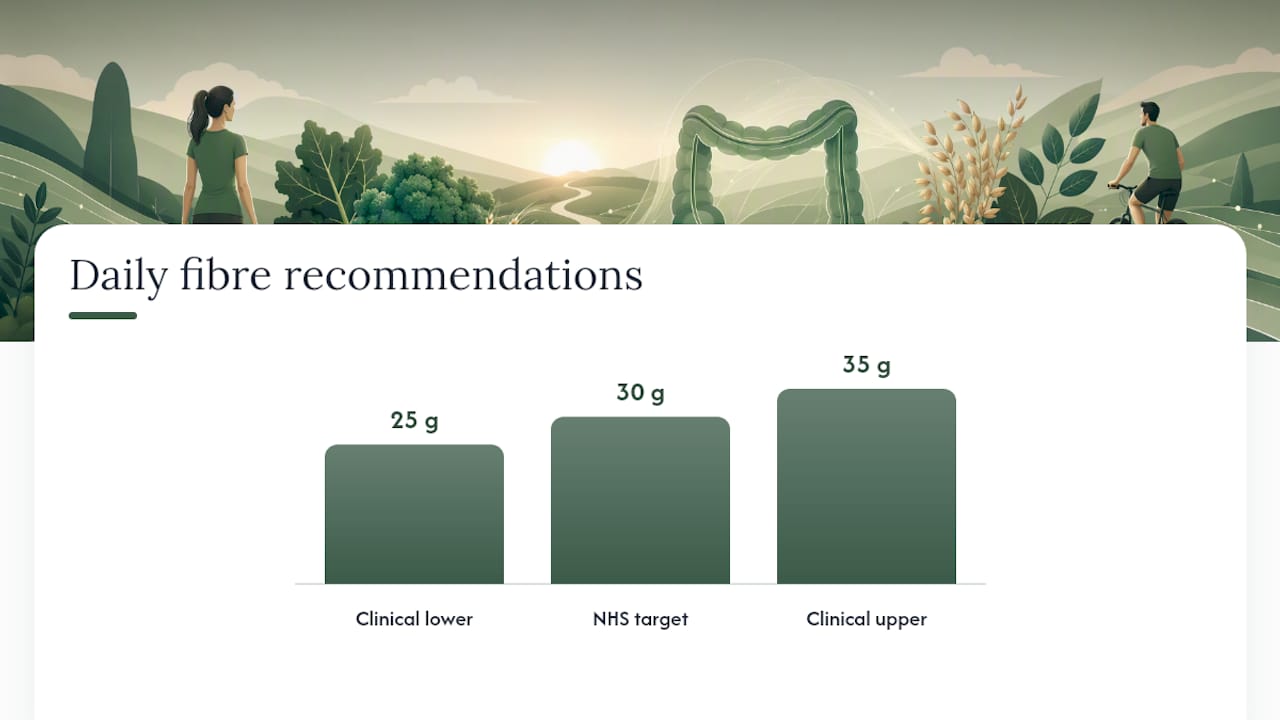
The long-term target for most adults in the UK is around 30 g of fibre per day, in line with NHS guidance, though clinical recommendations for diverticulitis prevention often cite 25–35 g per day. A useful mental benchmark: a bowl of porridge, an apple, a portion of broccoli, and a serving of lentil soup can provide a substantial amount of fibre before dinner.
What does the evidence say about long-term prevention?
A predominantly high-fibre, plant-forward eating pattern is the most consistently supported approach for reducing the risk of future diverticulitis episodes. NIDDK research links low-fibre, high red-meat diets with increased diverticulitis risk, and recommends higher intake of whole-plant foods for prevention.
Evidence-backed steps for long-term diverticular disease management:
- Increase whole grains: swap white bread and pasta for wholemeal versions gradually
- Eat more fruit and vegetables, aiming for at least five portions daily, with skins where tolerated
- Include beans, lentils, and pulses several times per week
- Reduce red meat (beef, lamb, pork) to no more than 70 g per day, in line with NHS dietary guidance
- Cut back on processed meats (bacon, sausages, deli meats) as much as possible
- Limit ultra-processed foods, which tend to be low in fibre and high in additives
Beyond diet, regular physical activity supports gut motility and helps maintain a healthy weight, both of which are associated with lower diverticulitis recurrence. If you smoke, stopping reduces systemic inflammation. Gradual weight loss, if your GP advises it, also lowers intra-abdominal pressure on the colon wall.
A PubMed-indexed clinical review of diverticular disease risk factors supports the role of dietary fibre and lifestyle modification in reducing recurrence, consistent with the recommendations from NHS and NIDDK.
Do you really need to avoid nuts, seeds, and popcorn?
No. The blanket ban on nuts, seeds, and popcorn is outdated advice, and current clinical evidence does not support it for people who have recovered from a flare.
The old theory held that small food particles could lodge in diverticula and trigger inflammation. It seemed logical, but longitudinal studies have not confirmed it. Harvard Health’s clinical summary states plainly that recent evidence does not support permanently avoiding these foods after recovery, and that unnecessarily restricting them may reduce dietary variety and fibre intake.
Practical ways to reintroduce these foods safely:
- Start with smooth nut butters (almond, peanut) rather than whole nuts
- Use ground flaxseed or chia seeds stirred into porridge rather than whole seeds
- Try a small portion of popcorn (air-popped, lightly salted) once your gut has been stable for several weeks
- Chew thoroughly and eat slowly, particularly with harder textures
- Stop and reassess if a specific food consistently triggers discomfort
The anti-inflammatory diet principles that underpin plant-forward eating actually favour nuts and seeds as sources of healthy fats and fibre. Removing them permanently without clinical reason works against long-term gut health.
Why does hydration matter so much when you increase fibre?
Fibre absorbs water. Without enough fluid, increasing fibre can harden stool, slow transit, and raise pressure inside the colon, which is precisely the mechanism thought to contribute to diverticulitis in the first place.
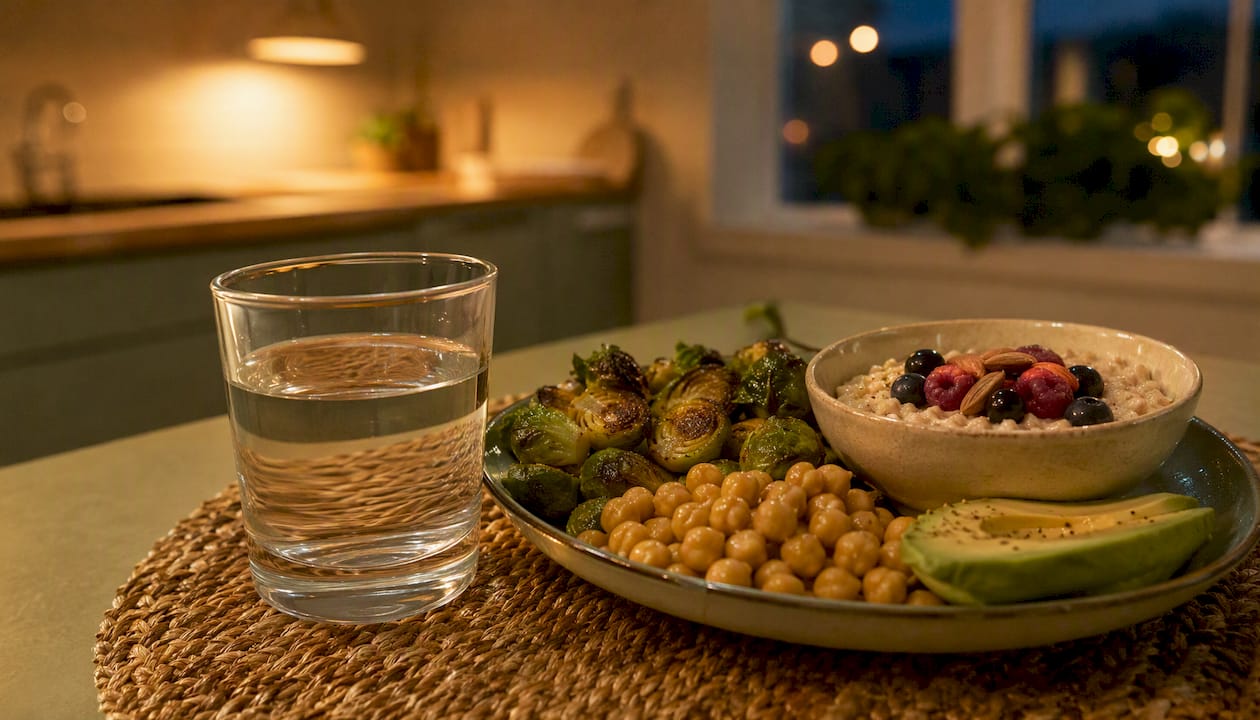
Mayo Clinic describes hydration as central to making a high-fibre diet work, and registered dietitians consistently flag it as the factor most people underestimate when they start adding fibre back in.
A practical rule of thumb used by many dietitians is to aim for around 6–8 glasses (1.5–2 litres) of fluid per day, increasing slightly on days when fibre intake is higher or the weather is warm. Water is the best choice; herbal teas and diluted juice count. Caffeinated drinks and alcohol are less helpful and can irritate the gut during recovery.
Everyday strategies to make fibre and fluids work together:
- Start the day with a glass of water before breakfast, then have porridge made with extra water or milk
- Spread fibre across all three meals rather than loading it into one
- Drink a glass of water with every high-fibre meal or snack
- Avoid very dry, high-fibre snacks (plain crackers, raw bran) until your gut is well adjusted
- If you use a fibre supplement such as psyllium husk, always take it with a full glass of water and never dry
Pro Tip: If you notice bloating or cramping after adding a new high-fibre food, try reducing the portion by half and increasing fluid intake for two days before trying again. Bloating that resolves within 24 hours is usually a sign of normal adjustment, not intolerance.
For readers managing overlapping IBS symptoms, the low FODMAP diet guide on the Foodconnection blog covers how to manage fermentable carbohydrates alongside fibre reintroduction.
When should you seek urgent help?
If you have a fever, worsening severe abdominal pain, persistent vomiting, blood in your stool, or feel faint, seek medical attention immediately. These are red-flag symptoms that need clinical assessment, not dietary adjustment.
Red-flag symptoms requiring urgent care:
- Fever above 38°C
- Severe or worsening abdominal pain, particularly on the lower left side
- Persistent vomiting or inability to keep fluids down
- Blood in stool or rectal bleeding
- Signs of sepsis: confusion, rapid breathing, cold or mottled skin
- Abdominal rigidity or swelling
In the UK, NHS guidance advises contacting your GP for a suspected diverticulitis flare. Call NHS 111 if your GP is unavailable and you need urgent advice. Go directly to A&E if you have severe pain, high fever, or signs of sepsis.
During antibiotic treatment, follow your clinician’s dietary instructions precisely. Some antibiotics interact with dairy or require food for tolerability; check the patient information leaflet and ask your pharmacist if you are unsure. Johns Hopkins Medicine notes the importance of checking food and drug interactions during antibiotic courses for diverticulitis.
Sample meal progressions for each stage
Follow the stage-appropriate meal progression below, keeping portions modest to avoid overloading the gut, particularly in the first days of each new phase.
Practical shopping swaps as you progress:
- White rice → brown rice (introduce slowly, half-and-half at first)
- Smooth peanut butter → whole nuts (only once fully recovered and stable)
- Tinned fruit in juice → fresh fruit with skin (reintroduce skins gradually)
- White pasta → wholemeal pasta (mix 50/50 initially)
- Peeled cooked veg → raw salad veg (one type at a time)
A few notes on common dietary patterns:
- Vegetarian or vegan: Tinned lentils, butter beans, and silken tofu work well in the soft food phase. Introduce whole pulses gradually during reintroduction.
- Dairy intolerance: Use oat milk or lactose-free milk in porridge; coconut yoghurt as a smooth snack alternative.
- Meal timing: Smaller, more frequent meals (four to five per day) tend to be better tolerated than two or three large ones during recovery.
Why personalised plans tend to work better
Generic stage-based guidance gives you the framework. What it cannot do is account for your specific symptom pattern, how quickly your gut settles, whether you have overlapping conditions like IBS, or how your diet interacts with any medication you are taking.
Personalised nutrition support reduces the trial-and-error that makes diverticulitis recovery so frustrating. When a registered dietitian or nutrition practitioner monitors your progress, they can adjust the pace of fibre reintroduction based on real symptom data rather than guesswork. For people with recurring episodes, functional laboratory testing can identify additional factors, such as gut microbiome imbalances or nutrient deficiencies, that a standard diet plan would miss entirely.
The evidence consistently shows that adherence improves when people understand why each step matters and have someone to check in with when symptoms shift unexpectedly. A one-size-fits-all meal plan, however well designed, cannot replicate that.
Foodconnection’s personalised nutrition support for diverticulitis
Living with diverticulitis means managing a condition that changes from week to week. Foodconnection offers one-to-one personalised nutrition programmes designed specifically for people navigating digestive disorders, including diverticulitis recovery and long-term prevention.
Each programme includes a tailored meal plan built around your current stage, whether that is the low-fibre soft food phase or the gradual return to a high-fibre diet. Ongoing support means your plan adapts as your symptoms do, rather than leaving you to interpret a static handout alone. For complex or recurring cases, optional functional laboratory testing with full interpretation helps identify underlying factors that standard dietary advice cannot address.
If you are ready to move beyond generic guidance and get a plan that fits your gut, your lifestyle, and your recovery timeline, book a consultation with Foodconnection or explore the full range of nutrition services and testing options available online and in London.
Sources
The following clinical pages underpin the guidance in this article and are worth bookmarking for reference:
- Low fibre diet for diverticulitis (Stanford Health Care)
- Eating, diet, & nutrition for diverticular disease (NIDDK)
- Diverticulitis diet (Mayo Clinic)
- Diverticular disease and diverticulitis (NHS)
- Diverticulitis diet: foods to avoid during and after a flare‑up (Harvard Health)
This article provides general nutritional information and is not a substitute for professional medical or dietetic advice. Always follow your GP’s or clinician’s guidance, particularly during an acute flare or when taking prescribed medication.
Recommended
- Low FODMAP diet: a practical guide for IBS relief in the UK | FoodConnection blog
- Post-viral fatigue diet: what to eat for Long Covid recovery | FoodConnection blog
- Cholesterol diet plan: what actually works for UK adults | FoodConnection blog
- Struggling With Bloating? How a Gut Health Nutritionist Can Help | FoodConnection blog