
Anti-inflammatory diet: what to eat and why it works

What is an anti-inflammatory diet and how does it reduce inflammation?
Chronic inflammation sits at the root of many of the most common long-term health conditions: cardiovascular disease, type 2 diabetes, arthritis, and certain cancers. An anti-inflammatory diet addresses this directly by shifting what you eat toward foods that calm the immune system rather than provoke it. The core idea is not a rigid meal plan but a pattern of eating built around whole, nutrient-dense foods that supply antioxidants, fibre, and healthy fats while cutting back on the processed foods that keep inflammation ticking along in the background.
Inflammation itself is not the enemy. When you cut your finger or catch a cold, your immune system triggers an acute inflammatory response to fight the threat and repair tissue. The problem is chronic systemic inflammation, where immune cells stay on low-level alert day after day, gradually damaging healthy tissue and raising the risk of disease. Diet is one of the most direct levers you can pull to switch that process off.
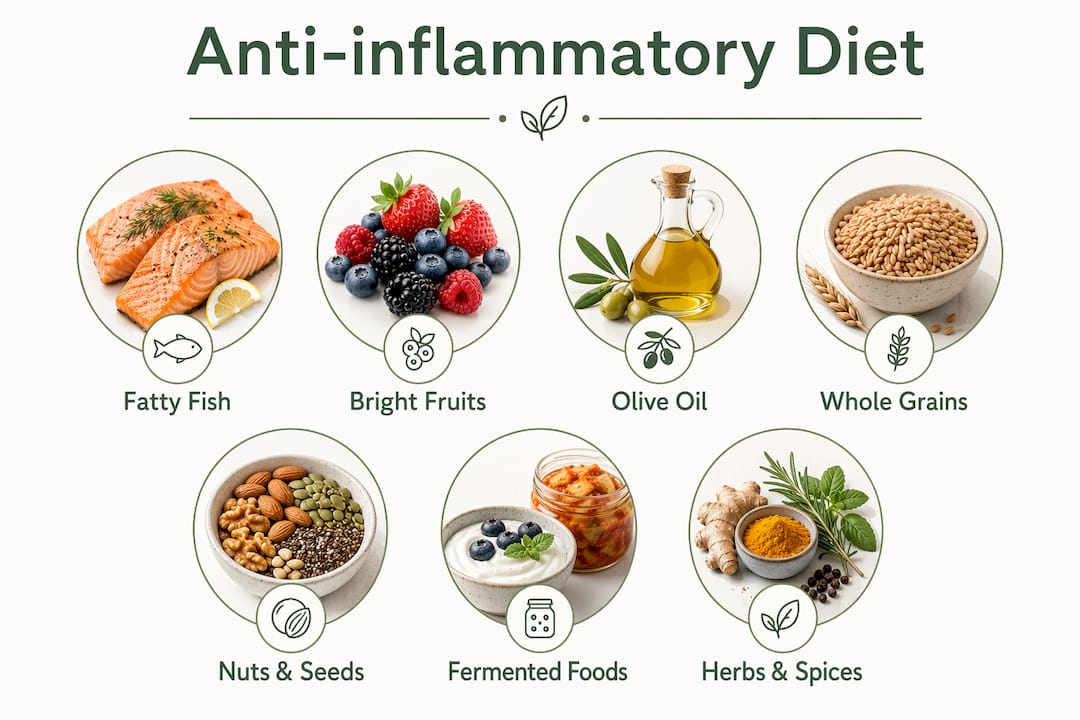
The foods at the heart of this approach work through several mechanisms. Antioxidants in brightly coloured fruits and vegetables neutralise free radicals, the unstable molecules that drive cellular damage. Fibre from whole grains and legumes feeds beneficial gut bacteria, which produce short-chain fatty acids that reduce gut-derived inflammation. Omega-3 fatty acids from oily fish block some of the compounds the body produces during inflammatory responses. Together, these components modulate immune function, support gut microbiota balance, and reduce circulating inflammatory markers such as C-reactive protein (CRP) and cytokines.
Key food categories in an anti-inflammatory eating pattern include:
- Fruits and vegetables, especially deeply coloured varieties rich in polyphenols, carotenoids, and vitamins C and E
- Whole grains and legumes, which lower the glycaemic load and feed beneficial gut bacteria
- Fatty fish such as salmon, sardines, and mackerel, providing omega-3 fatty acids
- Nuts, seeds, and healthy oils, particularly extra virgin olive oil
- Fermented foods containing live cultures that support microbiome diversity
- Herbs and spices such as turmeric and ginger, which have documented anti-inflammatory properties
The scientific consensus is clear: long-term adherence to this pattern reduces cardiovascular risk, lowers inflammatory biomarkers, and decreases the burden of chronic disease. Short-term improvements in symptoms can appear within weeks, but meaningful changes in systemic inflammation require consistent, sustained commitment.
Table of Contents
- 1. Fatty fish and omega-3 fatty acids
- 2. Brightly coloured fruits and vegetables
- 3. Extra virgin olive oil
- 4. Whole grains and legumes
- 5. Nuts and seeds
- 6. Fermented foods
- 7. Herbs, spices, tea, and dark chocolate
- 8. Foods to limit or avoid on an anti-inflammatory diet
- 9. Popular anti-inflammatory dietary patterns
- 10. Who can benefit from an anti-inflammatory diet?
- 11. How to put an anti-inflammatory diet into practice in the UK
- 12. What are the potential health benefits?
- 13. What does the scientific evidence actually show?
- 14. Are there any risks or contraindications to consider?
- Personalised anti-inflammatory nutrition with Foodconnection
- Key takeaways
1. Fatty fish and omega-3 fatty acids
Oily fish is one of the most potent anti-inflammatory foods available. Salmon, sardines, mackerel, and herring are rich in EPA and DHA, the long-chain omega-3 fatty acids that directly block pro-inflammatory compounds produced by the immune system. The evidence for omega-3s as inflammation fighters is among the strongest in nutritional science.
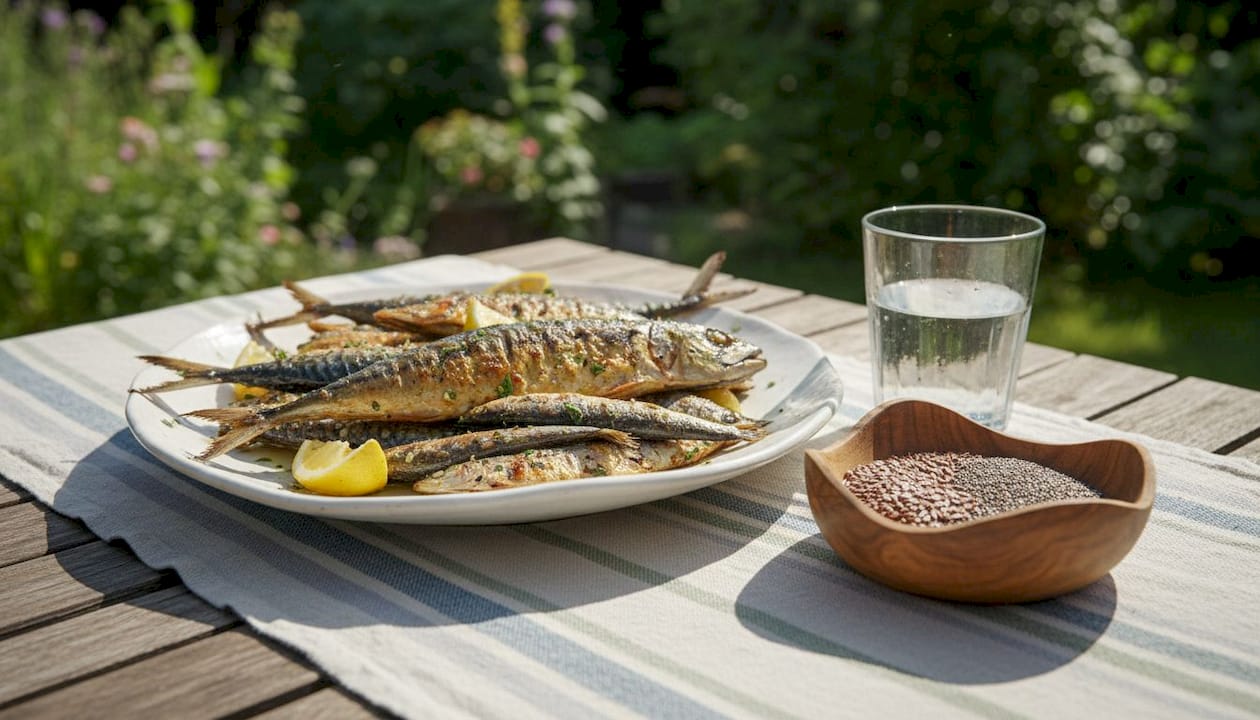
Include regular portions of oily fish weekly. If you dislike fish, walnuts, flaxseeds, chia seeds, and hemp seeds provide the plant-based precursor ALA, though the conversion to EPA and DHA in the body is limited.
2. Brightly coloured fruits and vegetables
Colour is a reliable proxy for antioxidant content. Blueberries, strawberries, cherries, and oranges supply polyphenols that inhibit inflammatory enzymes. Dark leafy greens such as spinach and kale deliver vitamin E and carotenoids. Tomatoes, bell peppers, and broccoli are rich in vitamin C and lycopene.

The practical rule is variety. Eating the same two or three vegetables every week narrows your antioxidant profile. Rotating through different colours across the week gives your body a broader toolkit for managing oxidative stress.
3. Extra virgin olive oil
Extra virgin olive oil is the fat most consistently linked to reduced inflammation across large population studies. Its oleocanthal compound acts similarly to ibuprofen in inhibiting inflammatory enzymes, and its high monounsaturated fat content supports a healthy lipid profile. The Mediterranean diet’s heavy reliance on olive oil is one reason that dietary pattern performs so well in cardiovascular research.
Use it as your primary cooking fat and for dressings. Refined vegetable oils and spreads made with partially hydrogenated fats are a poor substitute.
4. Whole grains and legumes
Whole grains such as oats, barley, brown rice, and quinoa deliver soluble and insoluble fibre that slows glucose absorption and feeds the gut microbiome. A lower glycaemic load is directly associated with reduced inflammatory markers. Legumes, including lentils, chickpeas, and black beans, add plant protein alongside that fibre, making them particularly useful for reducing reliance on red meat.
Pro Tip: Swap white rice for barley or farro in one meal per day. Both have a lower glycaemic index and provide beta-glucan, a soluble fibre with well-documented anti-inflammatory effects.
5. Nuts and seeds
Almonds, walnuts, pecans, and flaxseeds are consistently associated with lower inflammatory markers and reduced cardiovascular risk. Walnuts are especially notable for their alpha-linolenic acid content. A small daily handful, roughly 30g, appears to be the amount most studies associate with benefit. They are calorie-dense, so portion awareness matters, but the evidence does not support avoiding them.
6. Fermented foods
Fermented foods such as natural yoghurt, kefir, kimchi, sauerkraut, and miso introduce live bacterial cultures that support microbiome diversity. A diverse gut microbiome is increasingly recognised as central to immune regulation. When beneficial bacteria are depleted, the gut lining becomes more permeable, allowing bacterial fragments to enter the bloodstream and trigger low-grade systemic inflammation.
7. Herbs, spices, tea, and dark chocolate
Turmeric contains curcumin, which has been studied extensively for its ability to inhibit inflammatory signalling pathways. Ginger has similar properties. Green and black tea supply polyphenols that reduce oxidative stress. Dark chocolate with at least 70% cocoa solids provides flavanols with anti-inflammatory activity. None of these are magic bullets on their own, but they contribute meaningfully to an overall pattern rich in protective compounds.
8. Foods to limit or avoid on an anti-inflammatory diet
The foods that drive chronic inflammation are largely the same ones linked to obesity, cardiovascular disease, and metabolic dysfunction. Processed and red meats, including bacon, sausages, and hot dogs, contain saturated fats and compounds that raise pro-inflammatory markers and increase the risk of heart disease and certain cancers.
Refined carbohydrates are a significant contributor. White bread, white pasta, pastries, and sugary cereals cause rapid blood glucose spikes that trigger inflammatory responses. Added sugars in fizzy drinks, flavoured yoghurts, and packaged sauces are particularly problematic because they are easy to consume in large quantities without realising it.
Trans fats, found in partially hydrogenated oils used in many baked goods and fried foods, are among the most inflammatory dietary components identified in research. Fried foods more broadly, including chips and fast food, combine refined oils with high heat in ways that generate additional pro-inflammatory compounds.
Excessive alcohol consumption also promotes inflammation, particularly in the liver and gut. Moderate intake, defined as up to one unit per day for women and two for men, appears neutral or mildly beneficial in some studies, but the evidence for any protective effect is weaker than it once appeared.
Foods to limit or cut back on:
- Processed and red meats: bacon, sausages, burgers, hot dogs, cured meats
- Refined carbohydrates: white bread, white rice, white pasta, pastries, sugary cereals
- Added sugars: fizzy drinks, sweets, flavoured yoghurts, packaged sauces and dressings
- Trans fats and fried foods: anything made with partially hydrogenated oils, deep-fried takeaway
- Ultra-processed snack foods: crisps, biscuits, microwaveable meals, processed cheese products
- Excessive alcohol: more than moderate intake consistently raises inflammatory markers
One practical trap is assuming that a product labelled “healthy” or “natural” is automatically anti-inflammatory. Many packaged foods marketed as wholesome contain added sugars, refined oils, and pro-inflammatory additives. Reading the ingredient list rather than the front-of-pack claims is the only reliable check.
9. Popular anti-inflammatory dietary patterns
No single rigid meal plan defines anti-inflammatory eating, but three well-researched dietary frameworks embody its principles most completely. All three share a common foundation: plant-forward eating, healthy fats, moderate lean protein, and minimal processed food.
| Dietary pattern | Core food emphasis | Key nutrient philosophy | Primary evidence base |
|---|---|---|---|
| Mediterranean diet | Olive oil, vegetables, fruits, legumes, whole grains, oily fish, moderate wine | Unsaturated fats, polyphenols, fibre | Cardiovascular disease, longevity, cognitive health |
| DASH diet | Vegetables, fruits, low-fat dairy, whole grains, lean protein, nuts | Reduced sodium, high potassium and magnesium | Blood pressure, cardiovascular risk reduction |
| Blue Zones diet | Legumes, whole grains, vegetables, moderate fish, minimal meat and dairy | Plant protein, caloric moderation, social eating | Longevity, low chronic disease burden |
The Mediterranean diet is the most extensively studied anti-inflammatory dietary pattern in the world. A primary prevention trial found that participants at high cardiovascular risk who followed a Mediterranean diet experienced a 30% decrease in major cardiovascular events compared with those on a reduced-fat diet. A separate study in people with existing coronary heart disease found a 73% relative risk reduction in those adhering to the Mediterranean pattern. Its emphasis on extra virgin olive oil, oily fish, legumes, and abundant vegetables creates a diet naturally high in polyphenols, omega-3s, and fibre.
The DASH diet (Dietary Approaches to Stop Hypertension) was originally designed to lower blood pressure but overlaps substantially with anti-inflammatory principles. It prioritises vegetables, fruits, whole grains, and lean protein while limiting sodium and saturated fat. Its anti-inflammatory credentials come largely from its high fibre and antioxidant content rather than any single food group.
The Blue Zones diet draws on the eating patterns of populations with the highest concentrations of centenarians, including Sardinia, Okinawa, and Ikaria. Longevity foods in these regions are predominantly plant-based, with legumes as the cornerstone protein source, modest fish consumption, and very little processed food or red meat. The diet for longevity emerging from Blue Zones research is less a formal plan and more a set of consistent habits: eat mostly plants, stop before you are full, and make meals a social occasion.
10. Who can benefit from an anti-inflammatory diet?
The short answer is almost everyone, but the evidence is strongest for people managing specific chronic conditions. Cardiovascular disease, type 2 diabetes, rheumatoid arthritis, inflammatory bowel conditions, and neurodegenerative diseases such as Alzheimer’s are all linked to chronic inflammation and have shown measurable improvement in clinical studies when participants adopted anti-inflammatory eating patterns.
For rheumatoid arthritis specifically, a randomised controlled crossover trial found that disease activity scores decreased significantly during an anti-inflammatory diet intervention compared with a control diet. Patients consistently reported worse symptoms when eating red meat, alcohol, and fizzy drinks, and better symptoms with fish and berries. The MIND diet, a hybrid of the DASH and Mediterranean approaches, was associated with a 53% reduced rate of Alzheimer’s disease in those who followed it most closely, and a 35% reduced rate even in those who followed it only moderately, in a cohort of 923 older adults.
Beyond diagnosed conditions, the diet supports healthy ageing, weight management, and mood. Chronic low-grade inflammation contributes to fatigue, brain fog, and poor sleep quality, all of which tend to improve as dietary quality rises. Individual responses vary, and some people see faster results than others depending on their baseline diet, gut microbiome composition, and genetic factors. Lifestyle factors compound the effect considerably: regular physical activity, adequate sleep, and stress management each independently reduce inflammatory markers, and their combination with dietary change produces better outcomes than diet alone.
11. How to put an anti-inflammatory diet into practice in the UK
The most common reason people abandon this way of eating is that they try to overhaul everything at once. A more sustainable approach is additive rather than restrictive: focus first on what you can add rather than what you must eliminate. Swap white bread for a seeded wholegrain loaf. Add a handful of spinach to a smoothie. Replace a processed snack with a small portion of mixed nuts. These changes compound over weeks without triggering the sense of deprivation that leads to giving up.
Working with a registered nutrition professional makes a meaningful difference, particularly if you have an underlying health condition or have struggled to sustain dietary changes independently. A personalised anti-inflammatory diet plan accounts for your current eating habits, health history, food preferences, and any specific inflammatory triggers you may have. Functional laboratory testing, including stool analysis, hormone panels, and markers of gut permeability, can identify the precise drivers of inflammation in your case rather than applying a generic template. Foodconnection offers functional lab testing alongside structured nutrition programmes, giving clients a clear picture of what is actually driving their symptoms before making dietary changes.
For practical day-to-day planning, an anti-inflammatory meal plan built around the Mediterranean framework is the most accessible starting point for most people in the UK. A typical day might look like: porridge with berries and ground flaxseed at breakfast; a large salad with chickpeas, roasted vegetables, and olive oil dressing at lunch; grilled salmon with steamed broccoli and brown rice at dinner; and a small portion of walnuts or a piece of dark chocolate as a snack. The specifics matter less than the overall pattern.
Pro Tip: When reading food labels, check the ingredients list rather than the nutrition panel. If sugar, refined flour, or a partially hydrogenated oil appears in the first three ingredients, put the product back.
Lifestyle integration is not optional. The most effective approaches combine dietary change with adequate sleep (7–9 hours per night), regular moderate exercise, and active stress management. Chronic psychological stress raises cortisol, which in turn promotes inflammatory signalling. Addressing stress through practices such as yoga, mindfulness, or simply spending time outdoors is not a soft add-on; it is a direct intervention in the same biological pathways that food addresses.
12. What are the potential health benefits?
The benefits of sustained anti-inflammatory eating extend well beyond reducing a single biomarker. Cardiovascular health sees some of the most consistent gains: lower LDL cholesterol, improved blood pressure, and reduced arterial inflammation all contribute to a meaningfully lower risk of heart attack and stroke. Phytosterols found in pistachios, avocados, broccoli, and oranges limit intestinal absorption of dietary cholesterol, adding another layer of cardiovascular protection.
Metabolic health improves as refined carbohydrates and added sugars are replaced with fibre-rich whole foods. Blood glucose regulation stabilises, insulin sensitivity tends to improve, and the risk of developing type 2 diabetes falls. For people already managing diabetes, reduced inflammatory load can improve glycaemic control and reduce the risk of complications.
Cognitive health is an emerging area of strong interest. Neurodegenerative conditions including Alzheimer’s and Parkinson’s disease are associated with chronic neuroinflammation, and several large cohort studies have found that people eating diets with the lowest inflammatory scores have significantly lower rates of cognitive decline. Mood and mental health also appear to benefit: the gut-brain axis means that a healthier microbiome, supported by a fibre-rich diet, influences neurotransmitter production and stress resilience.
Joint health, skin condition, energy levels, and sleep quality are all areas where people following an anti-inflammatory eating pattern frequently report improvement. These are harder to quantify in clinical trials but are consistently reported in practice.
13. What does the scientific evidence actually show?
The evidence base for anti-inflammatory diets is substantial and growing. Large cohort studies following participants in the Nurses’ Health Study and the Health Professionals Follow-up Study found that people with the highest dietary inflammatory scores had twice the risk of developing type 2 diabetes compared with those eating the most anti-inflammatory diets. The same studies found elevated cardiovascular disease risk in the highest-scoring group.
A randomised trial of participants at cardiovascular risk found that a Mediterranean diet emphasising fresh fruits, vegetables, legumes, nuts, seafood, and olive oil significantly decreased several markers of inflammation compared with a low-fat diet. The Empirical Dietary Inflammatory Index (EDII), a validated scoring tool built on food groups rather than individual nutrients, reliably predicts circulating levels of interleukin-6, CRP, adiponectin, and tumour necrosis factor receptor, giving researchers a practical way to measure a diet’s inflammatory potential.
The evidence is strongest for cardiovascular disease, type 2 diabetes, arthritis, and gastrointestinal conditions. For autoimmune diseases and cognitive decline, the data are promising but less definitive, partly because these conditions are harder to study in controlled dietary trials. What is clear is that no single food or supplement replicates the effect of an overall dietary pattern. The synergistic combination of protective compounds across a varied, whole-food diet is what drives the benefit.
14. Are there any risks or contraindications to consider?
For most healthy adults, an anti-inflammatory diet carries no meaningful risks. It is not a restrictive or elimination diet in the clinical sense; it adds foods rather than removing entire food groups. That said, a few specific situations warrant attention.
People taking anticoagulant medications such as warfarin need to be consistent about their intake of vitamin K-rich foods, particularly dark leafy greens. Dramatically increasing consumption of spinach, kale, or broccoli can affect how the medication works. This does not mean avoiding these foods, but it does mean keeping intake steady and informing your GP or pharmacist of any significant dietary changes.
Those with fish allergies or shellfish sensitivities need to source their omega-3s from plant-based alternatives such as flaxseeds, chia seeds, and walnuts, or consider an algae-based DHA supplement. People with nut allergies face similar substitution needs for that food group.
A very high intake of certain anti-inflammatory foods can occasionally cause issues. Excessive turmeric supplementation, for example, can interact with blood-thinning medications. Eating large quantities of cruciferous vegetables such as broccoli and Brussels sprouts can affect thyroid function in people with existing thyroid conditions, particularly when eaten raw in very large amounts.
The broader risk is not the diet itself but the assumption that dietary change alone is sufficient for managing a diagnosed medical condition. An anti-inflammatory eating pattern is a powerful complement to medical treatment, not a replacement for it. Anyone managing a chronic condition should discuss significant dietary changes with their GP or a registered nutrition professional before making them.
Personalised anti-inflammatory nutrition with Foodconnection
Generic advice about eating more vegetables and less processed food is a reasonable starting point, but it rarely gets people far enough. The gap between knowing what to eat and actually changing how you eat, consistently, over months and years, is where most people get stuck.
Foodconnection works differently. Rather than handing you a standard meal plan and wishing you luck, the programme begins with a thorough lifestyle and dietary analysis to understand what is actually driving your symptoms. Where relevant, functional lab testing identifies specific inflammatory triggers, whether those are gut dysbiosis, hormonal imbalances, or nutrient deficiencies, so the dietary recommendations are built around your biology rather than a population average. Ongoing coaching means you have support when life gets in the way, which it always does. If you are ready to move from general principles to a plan that actually fits your life, book a consultation with Foodconnection to get started.
Key takeaways
An anti-inflammatory diet reduces chronic disease risk by consistently prioritising whole, nutrient-dense foods that modulate immune function, support gut health, and lower circulating inflammatory markers such as CRP.
| Point | Details |
|---|---|
| Chronic inflammation drives disease | Cardiovascular disease, type 2 diabetes, arthritis, and cognitive decline are all linked to persistent low-grade inflammation. |
| Core foods to prioritise | Oily fish, colourful vegetables and fruits, whole grains, legumes, extra virgin olive oil, nuts, and fermented foods form the foundation. |
| Mediterranean diet leads the evidence | A primary prevention trial found a 30% decrease in major cardiovascular events in high-risk participants following a Mediterranean diet versus a reduced-fat diet. |
| Lifestyle factors compound the benefit | Adequate sleep, regular exercise, and stress management work alongside diet to reduce inflammatory markers more effectively than food changes alone. |
| Foodconnection offers personalised support | Foodconnection combines in-depth lifestyle analysis, functional lab testing, and ongoing coaching to tailor an anti-inflammatory plan to your individual needs. |